
Chon Modern Thai Cuisine in Toronto
 1K+ Views
 100+ Likes
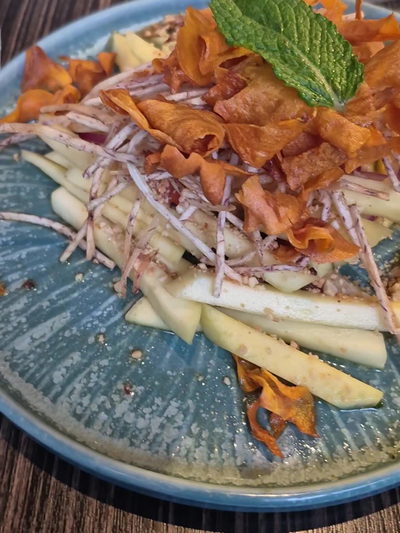
The video presents a static close-up shot of a meticulously arranged plate of food, featuring thinly sliced light-colored vegetables—likely jicama or daikon radish—topped with crispy orange-colored chips and garnished with a sprig of fresh mint. The plate, rendered in a muted blue hue, provides a subtle contrast to the vibrant colors of the ingredients, emphasizing the dish's visual appeal. The composition is clean and intentional, with no movement or dynamic elements throughout the 5-second duration. There is no audio, no human presence, and no indication of a specific restaurant, venue, or context beyond the food itself. The focus remains solely on the aesthetic presentation of the dish, suggesting a high-end or artisanal dining experience.
 1K+ Views100+ Likes
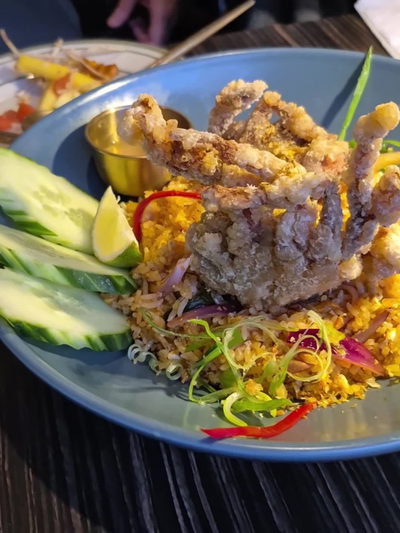
The video presents two visually appealing dishes in close-up shots, emphasizing food presentation and detail. The first dish features multiple pieces of fried chicken coated in a reddish-brown sauce, garnished with small green leaves, likely microgreens, on a clean white plate. The second dish is a vibrant plate of fried rice topped with a whole fried crab, accompanied by sliced cucumber and a lemon wedge, with shredded vegetables adding color and texture. The shots are static, focused solely on the food, with no human presence, signage, or environmental context. There is no audio or dialogue present, and the video lacks any narrative, movement, or indication of a restaurant, chef, or dining experience. The framing is tight and centered, highlighting the food's texture and color, but the overall production feels like a generic food B-roll clip with no clear origin or context.
 1K+ Views100+ Likes
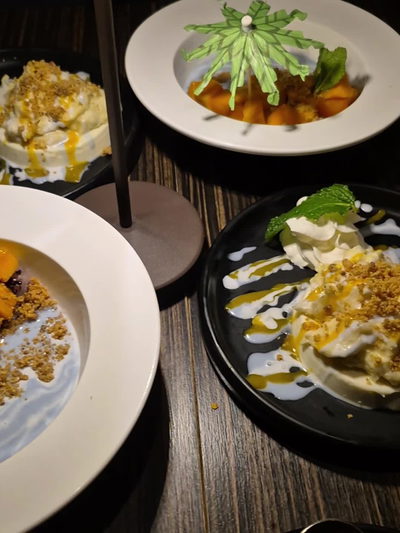
The video presents a visually captivating sequence of dessert dishes, each meticulously arranged on plates with vibrant colors and artistic detail. The camera smoothly pans across the desserts, highlighting elements such as mango slices, whipped cream, crumbled toppings, and fresh mint leaves. The focus is on the aesthetic presentation, emphasizing texture, color contrast, and composition. There is no dialogue or narration, and no human presence or identifiable venue is shown, suggesting a static, product-focused shot rather than a real-world experience with visitor context. The video appears to be a high-quality food still or B-roll clip, likely intended for culinary inspiration or social media content.
1K+ Views100+ LikesThe video presents a static close-up shot of a meticulously arranged plate of food, featuring thinly sliced light-colored vegetables—likely jicama or daikon radish—topped with crispy orange-colored chips and garnished with a sprig of fresh mint. The plate, rendered in a muted blue hue, provides a subtle contrast to the vibrant colors of the ingredients, emphasizing the dish's visual appeal. The composition is clean and intentional, with no movement or dynamic elements throughout the 5-second duration. There is no audio, no human presence, and no indication of a specific restaurant, venue, or context beyond the food itself. The focus remains solely on the aesthetic presentation of the dish, suggesting a high-end or artisanal dining experience.
1K+ Views100+ LikesThe video presents two visually appealing dishes in close-up shots, emphasizing food presentation and detail. The first dish features multiple pieces of fried chicken coated in a reddish-brown sauce, garnished with small green leaves, likely microgreens, on a clean white plate. The second dish is a vibrant plate of fried rice topped with a whole fried crab, accompanied by sliced cucumber and a lemon wedge, with shredded vegetables adding color and texture. The shots are static, focused solely on the food, with no human presence, signage, or environmental context. There is no audio or dialogue present, and the video lacks any narrative, movement, or indication of a restaurant, chef, or dining experience. The framing is tight and centered, highlighting the food's texture and color, but the overall production feels like a generic food B-roll clip with no clear origin or context.
1K+ Views100+ LikesThe video presents a visually captivating sequence of dessert dishes, each meticulously arranged on plates with vibrant colors and artistic detail. The camera smoothly pans across the desserts, highlighting elements such as mango slices, whipped cream, crumbled toppings, and fresh mint leaves. The focus is on the aesthetic presentation, emphasizing texture, color contrast, and composition. There is no dialogue or narration, and no human presence or identifiable venue is shown, suggesting a static, product-focused shot rather than a real-world experience with visitor context. The video appears to be a high-quality food still or B-roll clip, likely intended for culinary inspiration or social media content.

Happening Now in Toronto, CA
 3.5K Views300 Likes

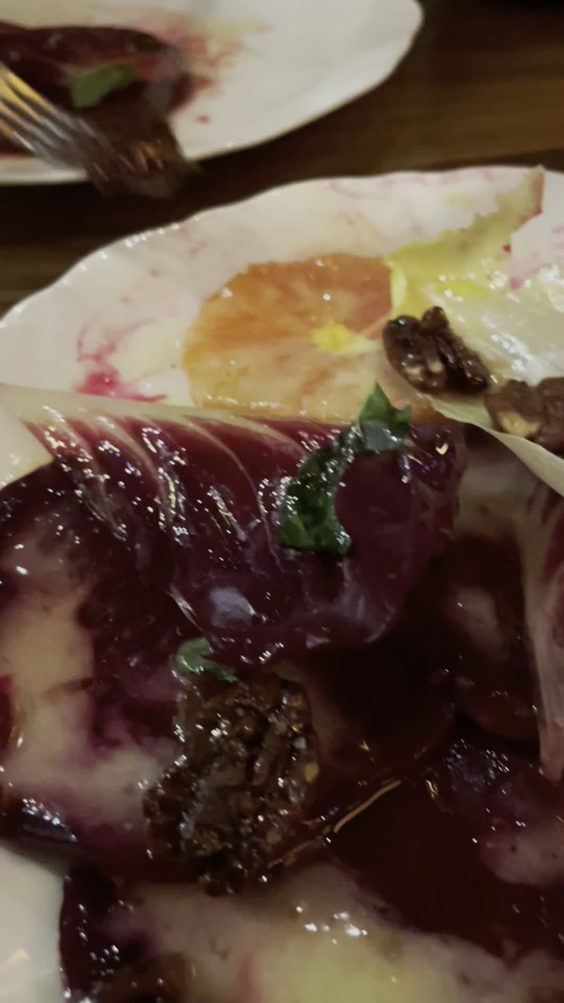
The video begins with a panoramic view of a restaurant interior, showing patrons seated at tables and staff working behind the bar. It then transitions to close-up shots of various dishes, including a pasta topped with cheese and herbs, a beet salad garnished with nuts and greens, and a steak with fries. The camera captures a person eating from the beet salad and taking a bite from the pasta dish.
 1.9K Views230 Likes
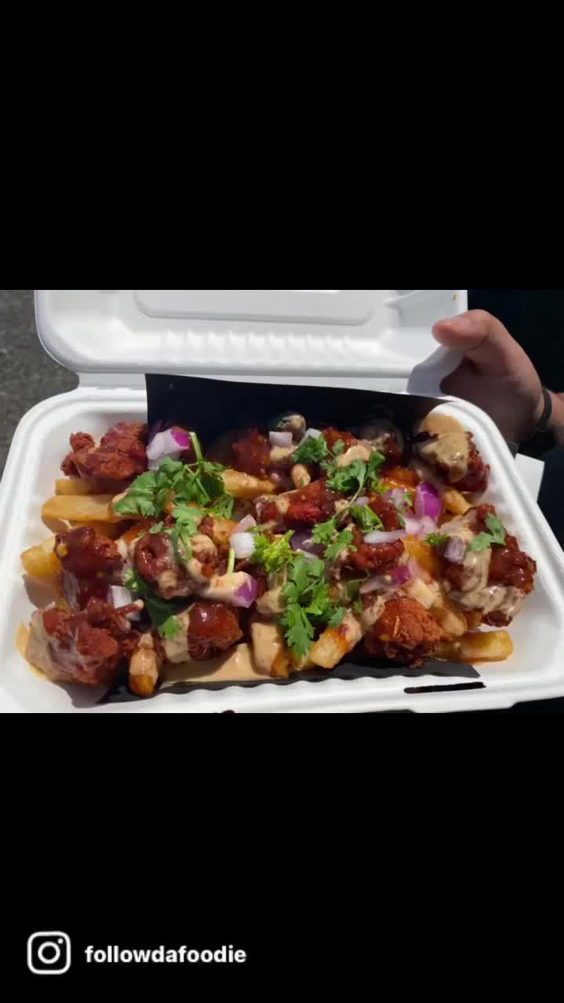
The video showcases various food trucks at what appears to be a festival, featuring BeaverTails, The Funky Monkey, Shrieks Chicken-Poutine, Tut's Egyptian Street Food, and Cheesecake On A Stick. It highlights different food items such as pastries, sandwiches, chicken tenders, and desserts.
 1K+ Views100+ Likes
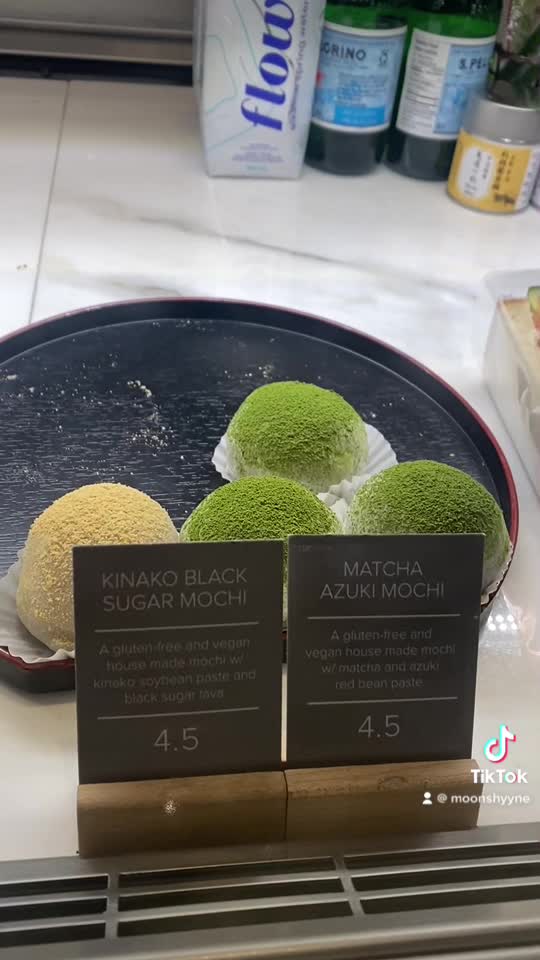
The video showcases Neo Coffee Bar in Toronto, highlighting its exterior, menu, pastries, and a customer enjoying a matcha latte and cake.
 1K+ Views100+ Likes
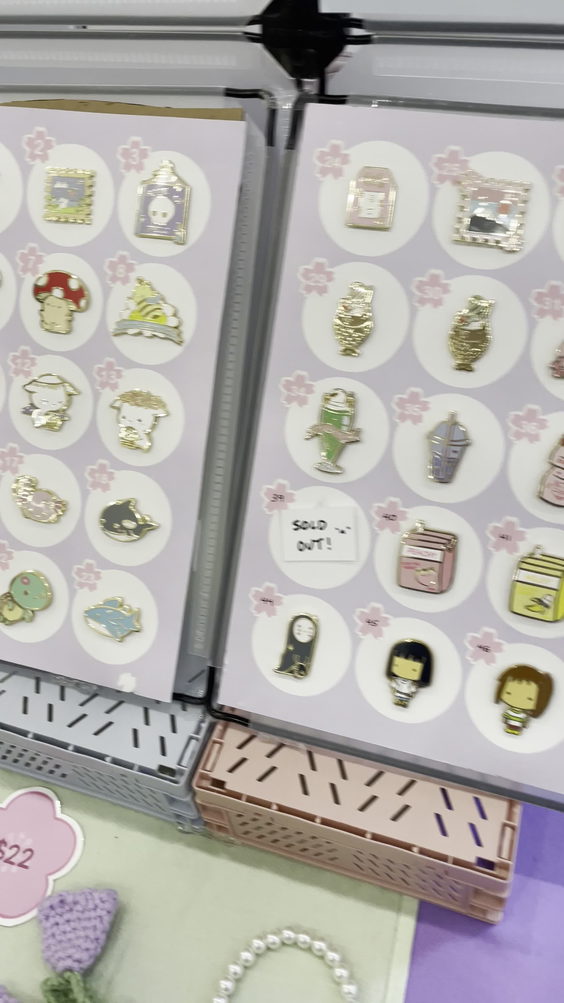
The video showcases a collection of enamel pins displayed on a board. The camera pans across the board, revealing various designs and some pins marked as 'sold out.'
