
Claim a $25 Atmosfy Gift Card
Unlock your $25 gift card when you download Atmosfy
Instant unlock. No fees. No catch.

Explore 500M+ real experiences across 10,000+ cities and 3M+ places on Atmosfy
Discover experiences from partners like




Best Culture Restaurants in Taipei Atmosfy
Discover top culture restaurants in the Taipei area. Featuring user-generated video reviews from Atmosfy.com community. Find your next favorite spots.
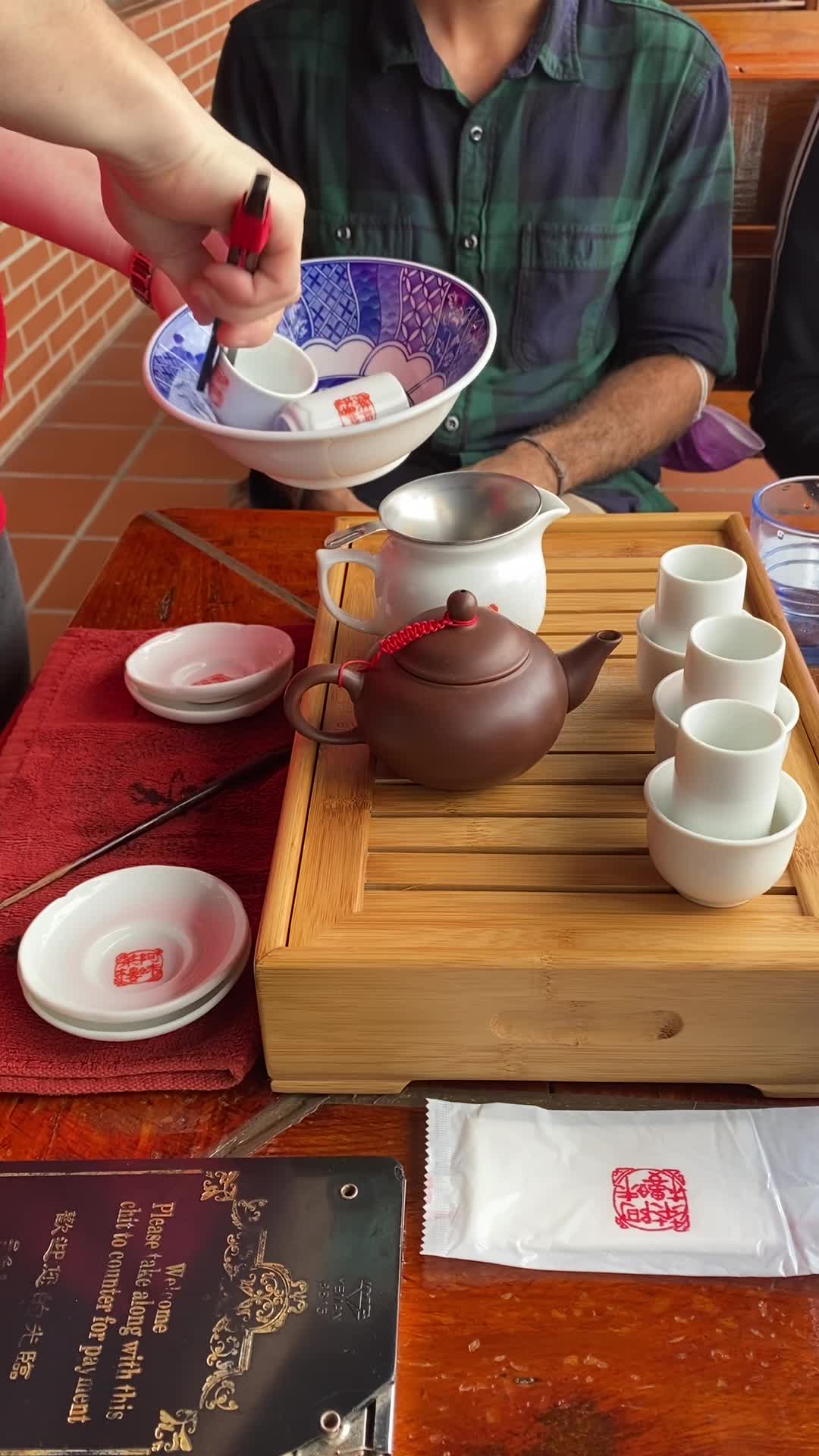
 1K+ Views
 100+ Likes
The video depicts a person preparing for a tea ceremony by arranging cups and saucers on a tray, showcasing various snacks and drinks on a table, and pouring hot water into a teapot.
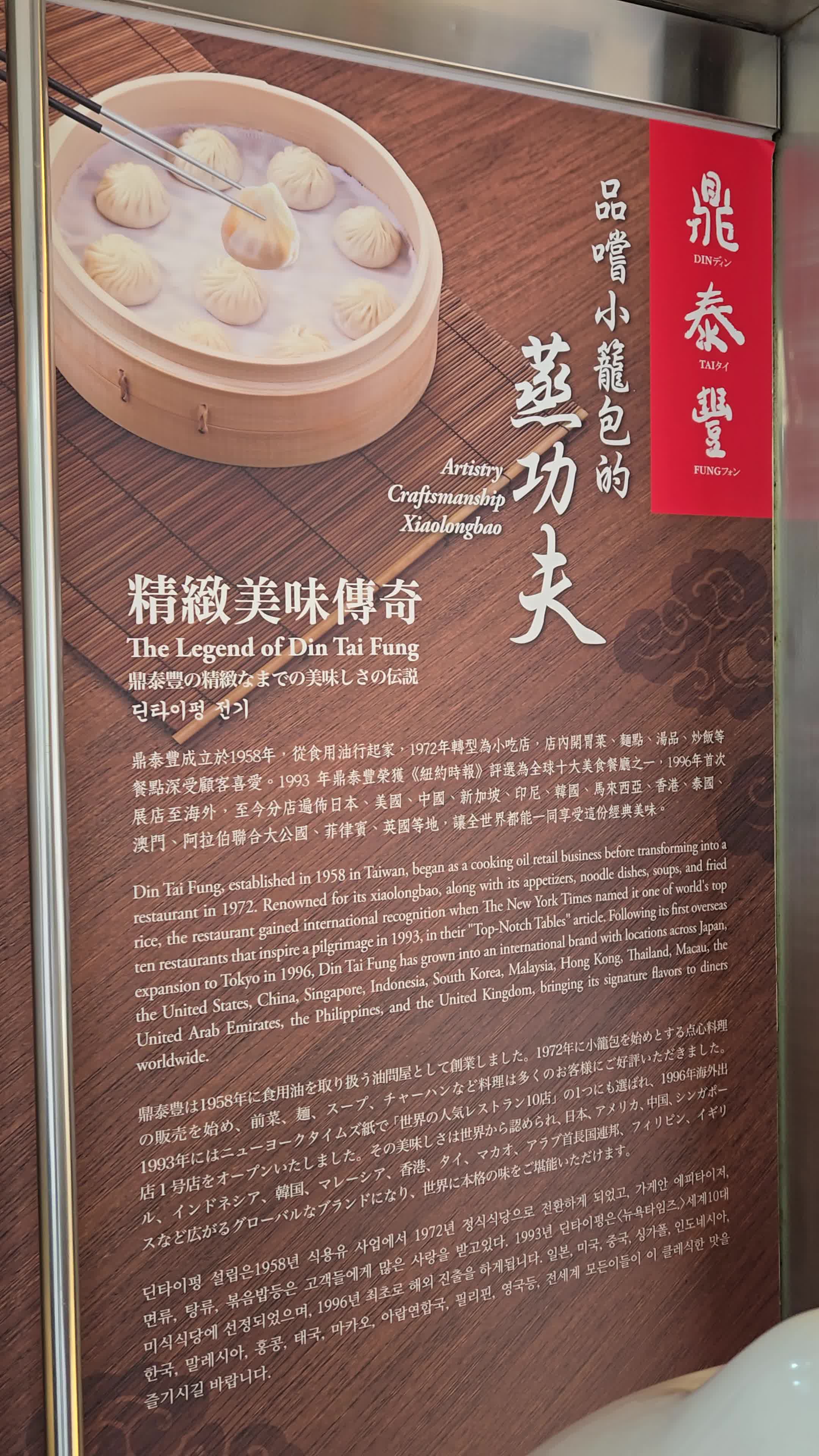 1K+ Views100+ Likes

The video opens with a close-up of a whimsical, cartoon-style dumpling statue—white with a red bow tie and a smiling face—placed on a red pedestal adorned with Chinese characters. The camera pans right to reveal a wooden informational board titled 'The Legend of Di Tang Fu,' featuring a historical narrative about dumplings and a visual of a bamboo steamer filled with dumplings. It then transitions to a menu board displaying various dishes and prices, followed by a shot of a line of people waiting outside a restaurant, with a woman in a beige jacket walking past. The only spoken line, at 9–12 seconds, is 'ティーティーティー' (Tee-tee-tee), which may be a playful or brand-specific utterance, possibly referencing the dumpling theme or a local phrase. The entire sequence is visually cohesive, emphasizing cultural storytelling around a food experience, with clear signage, a defined location, and a visitor perspective.
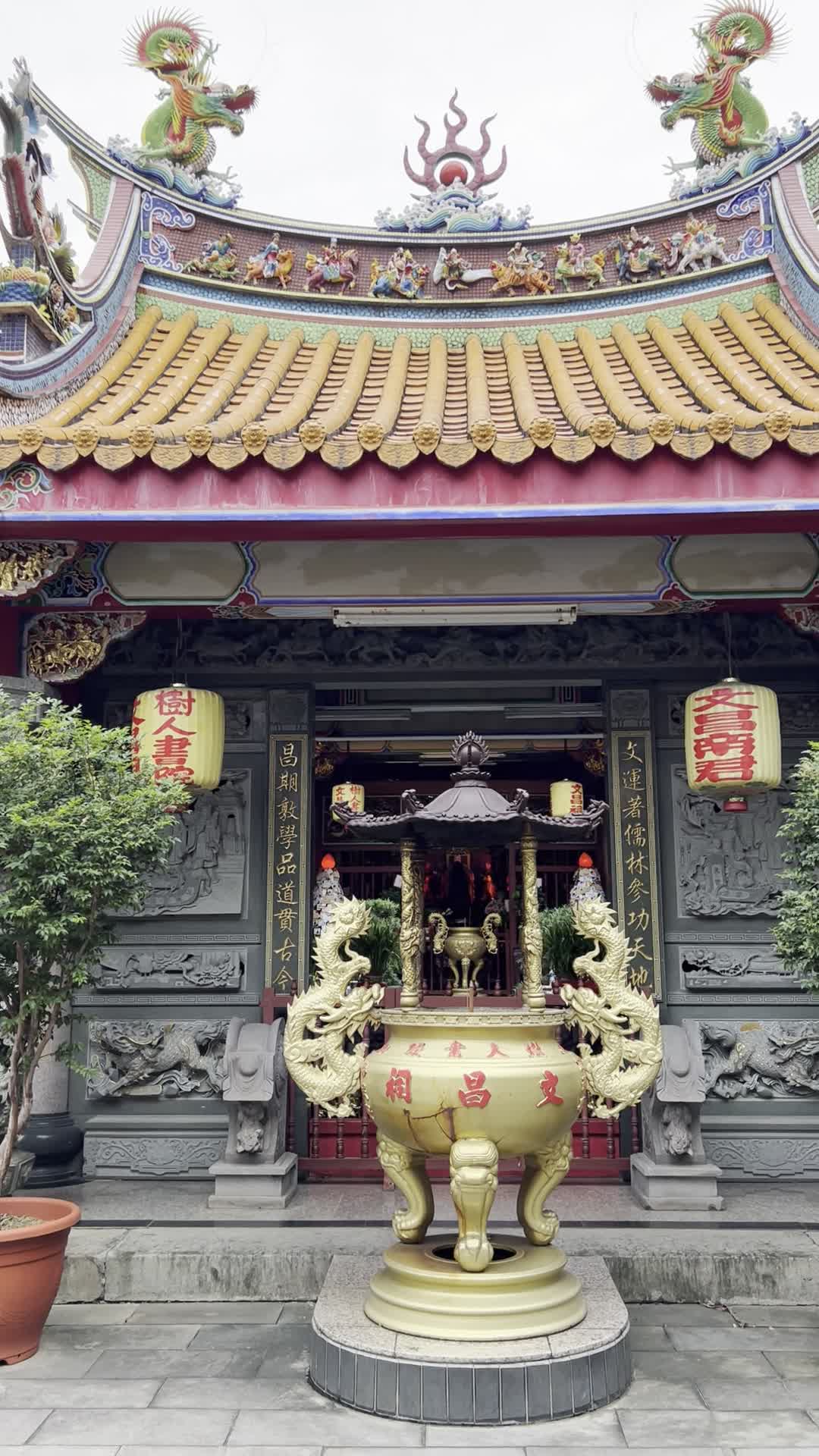 1K+ Views100+ Likes
The video showcases a traditional Chinese temple, starting with a view of its intricately carved and colorful gate. A light brown dog walks across the frame, followed by the camera panning to reveal the temple's roof with its detailed decorations and a large golden incense burner in the courtyard.
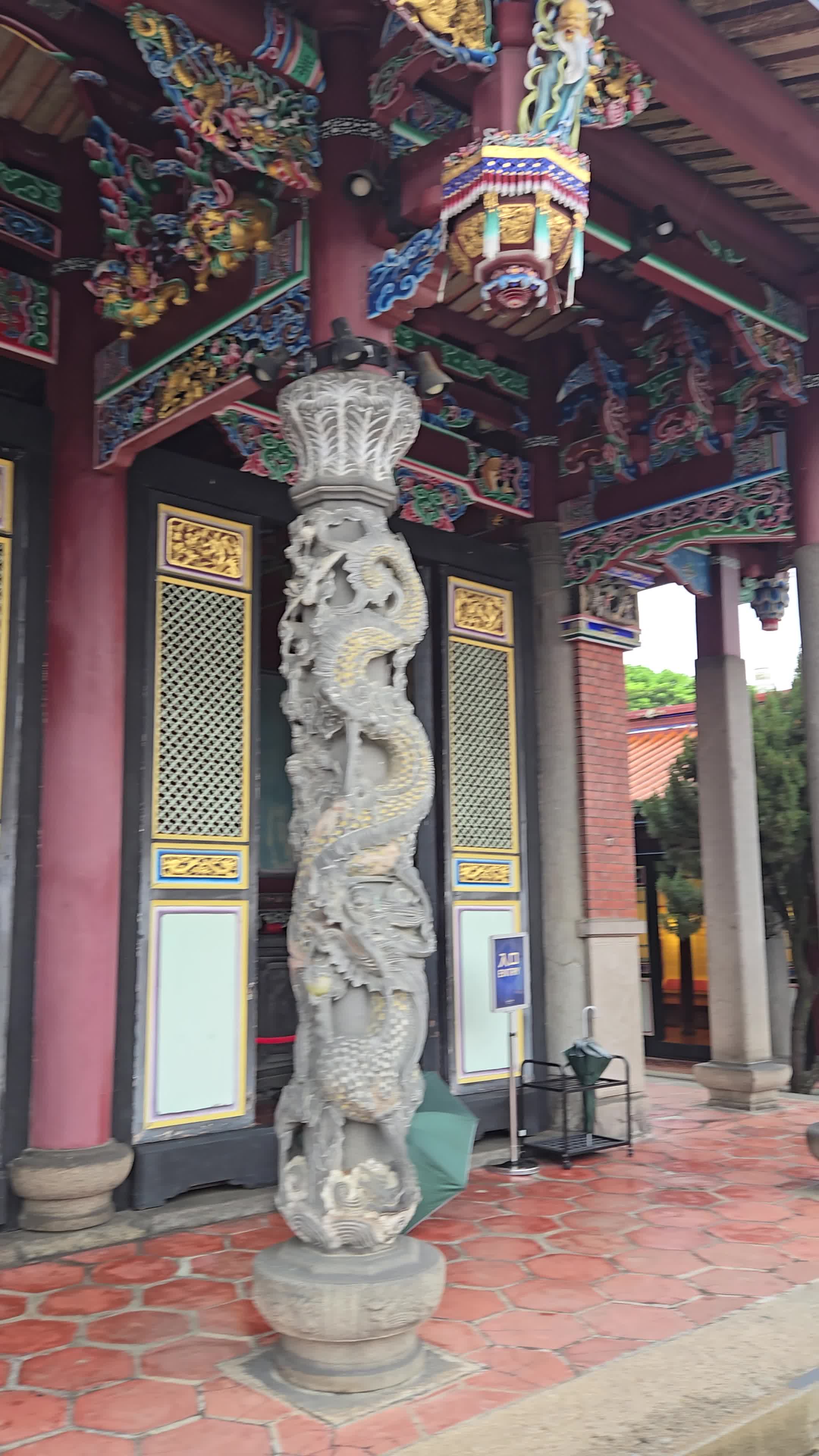 1K+ Views100+ Likes
The video presents a visually rich exploration of a traditional Chinese temple, beginning with a close-up of a stone pillar adorned with a detailed dragon carving at 00:17. The camera smoothly pans right to reveal the temple's elaborate roof, vibrant decorations, and intricately carved facade. As the shot continues, the viewer is shown a courtyard with a tiled floor and additional buildings in the same architectural style. The scene includes a large incense burner and informational plaques, suggesting a site of cultural and spiritual significance. The video concludes with a wide-angle view of the temple's roof framed by surrounding trees, emphasizing its serene and historic setting. The only spoken line, at 00:17–00:18, states: 'This video is made possible in the video,' which appears to be a meta or placeholder statement with no clear contextual relevance to the visual content. The overall presentation is static and observational, lacking human presence, narrative, or interactive elements, and feels more like a scenic B-roll or cultural showcase than an immersive experience.

 1K+ Views100+ Likes
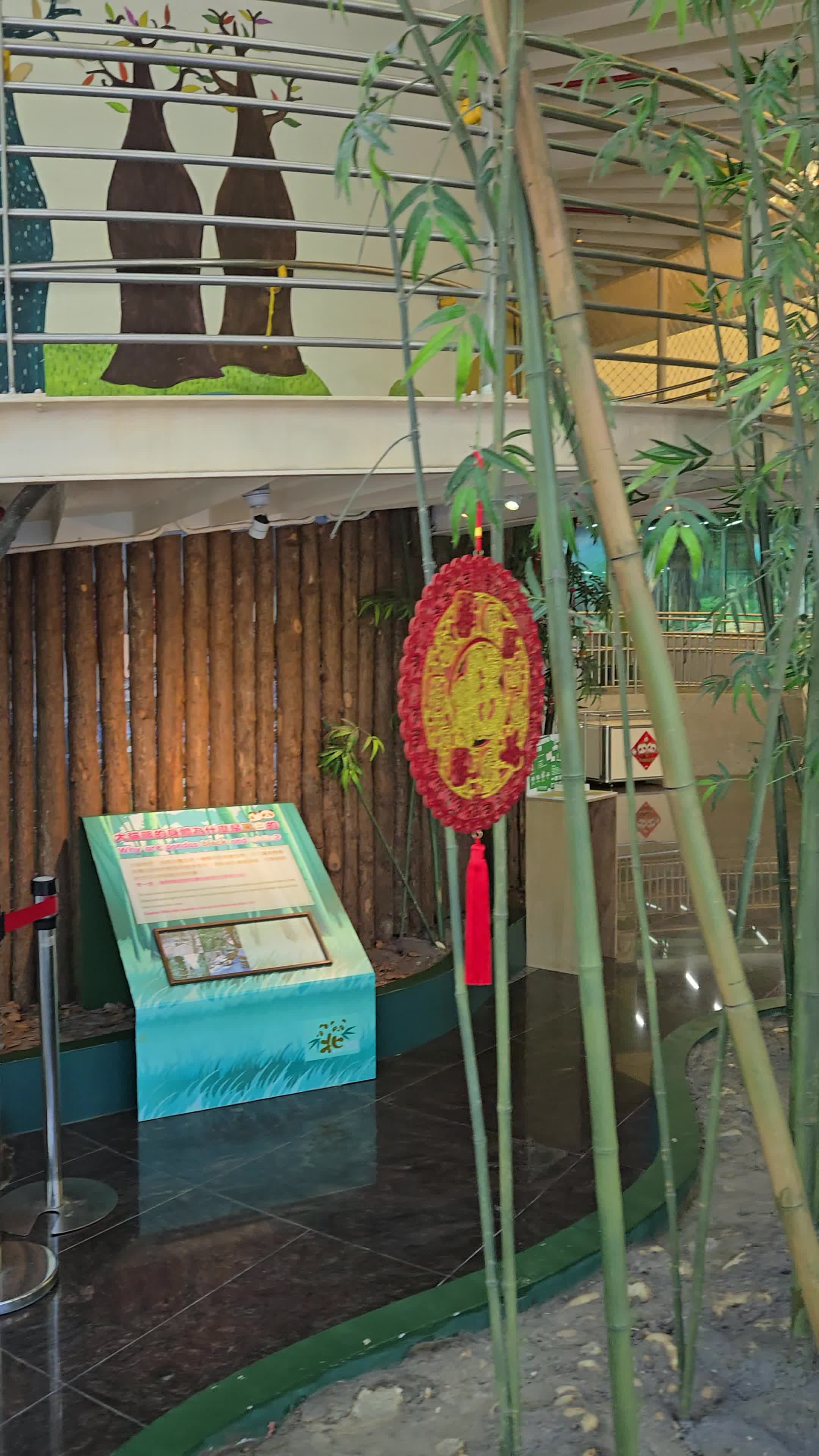
The video opens with a close-up of two stylized panda statues on artificial grass—one holding a bamboo stick, the other waving—setting a playful, thematic tone. The camera pans right to reveal a panda statue suspended from a bamboo stalk, followed by a display board with educational information about pandas. A red lantern hangs from another bamboo stalk, adding cultural ambiance. The pan continues to show a café area with seated guests, suggesting a public space designed for leisure and social interaction. The final shot reveals the ceiling’s circular design with ambient lighting, completing the immersive, themed environment. The only spoken line, at 00:09–00:11, is a curious question: '我们现在要看什么呢?' ('What are we going to look at now?'), implying a guided or exploratory experience. The entire sequence is a smooth, continuous visual tour of a themed indoor exhibit, likely part of a cultural or entertainment attraction, blending whimsy, education, and visitor engagement.
 1K+ Views100+ Likes
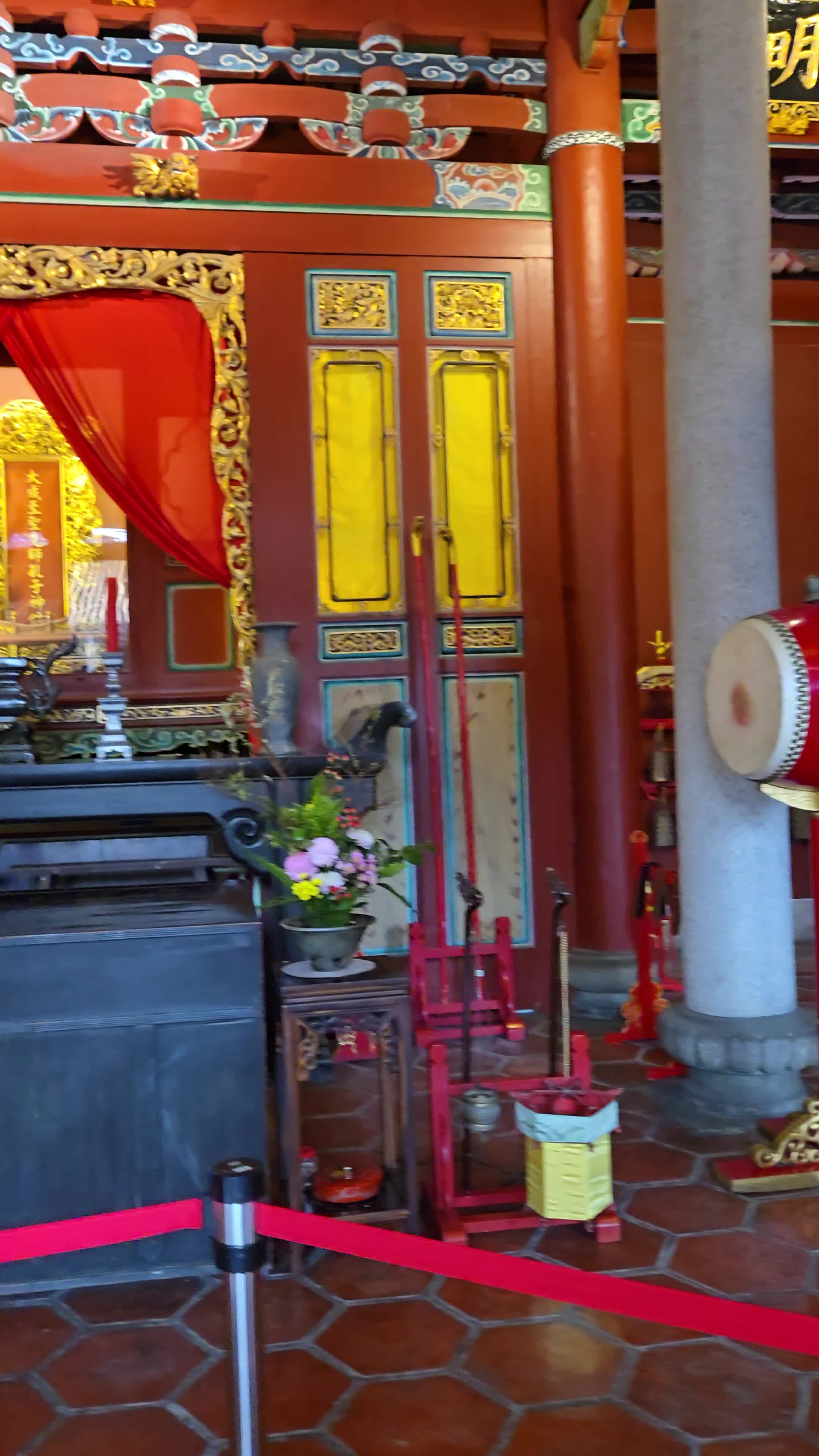
The video presents a serene and immersive tour of a traditional Chinese temple's interior, capturing its architectural grandeur and cultural artifacts. From 0:00 to 0:12, the camera glides smoothly across the space, highlighting a large golden bell suspended from the ceiling, red and gold drums, intricately carved wooden pillars, and ornate wall panels adorned with symbolic motifs. The hexagonal tiled floor adds to the visual rhythm, while red ropes and barriers subtly guide the viewer’s attention toward sacred objects. At 0:07–0:10, a faint spoken line 'so you' is heard, suggesting a human presence or narration, though no full dialogue is provided. The scene is devoid of crowds, performers, or active visitors, emphasizing stillness and reverence. The overall tone is contemplative, focusing on the temple as a preserved cultural and spiritual site.
 1K+ Views100+ Likes
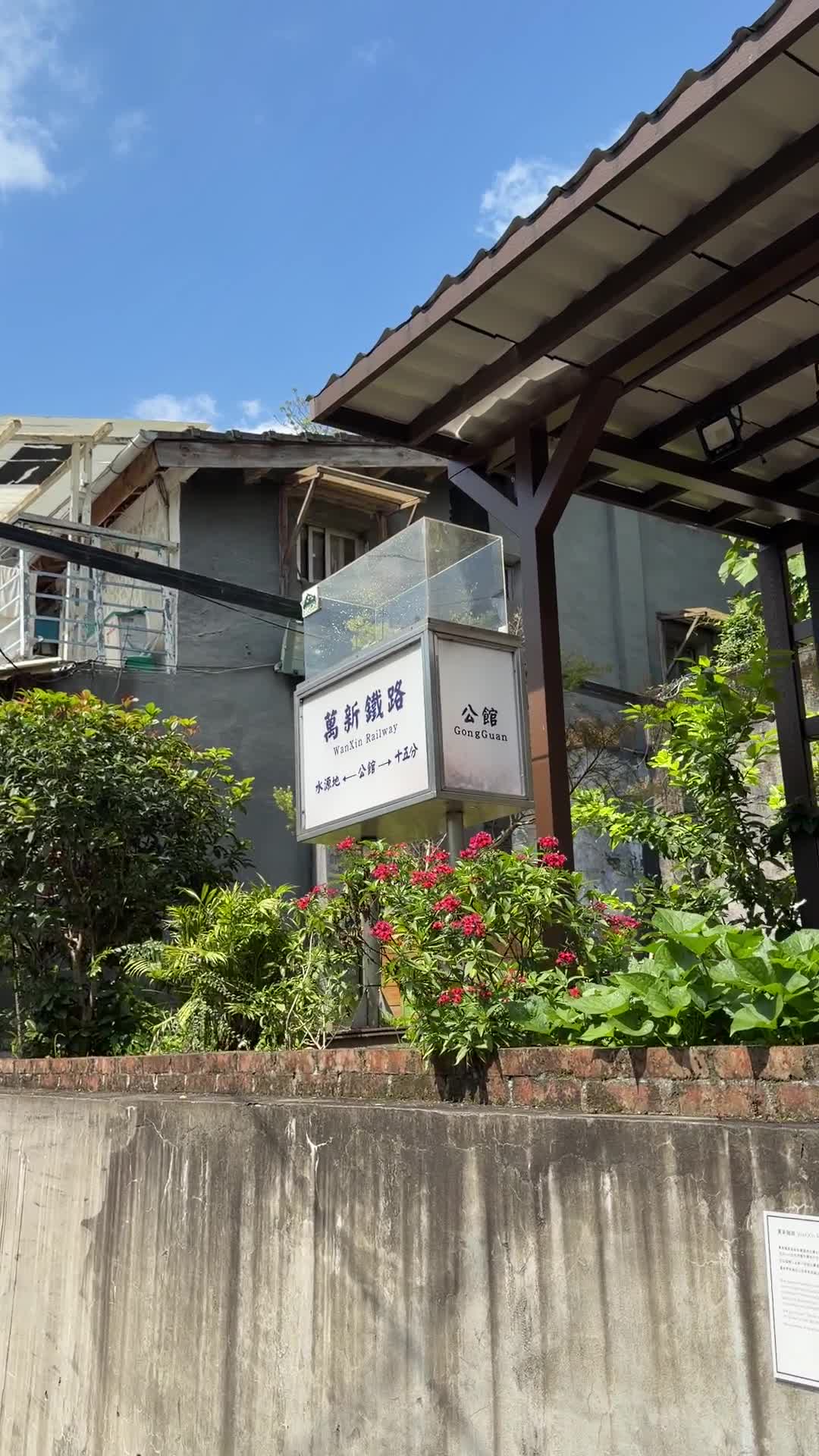
The video opens with a close-up of a concrete wall and greenery, then smoothly pans upward to reveal a signboard with bilingual text in Chinese and English, indicating a specific location. The background features a building with a wooden roof structure, suggesting a culturally or architecturally distinctive site. The scene is static and observational, with no human activity or dynamic elements visible. The only audio is a single word, 'you,' spoken at the very beginning, which appears to be an isolated utterance with no clear context or follow-up. The overall tone is quiet and atmospheric, emphasizing the visual details of the setting without narrative progression or visitor interaction.
 1K+ Views100+ Likes
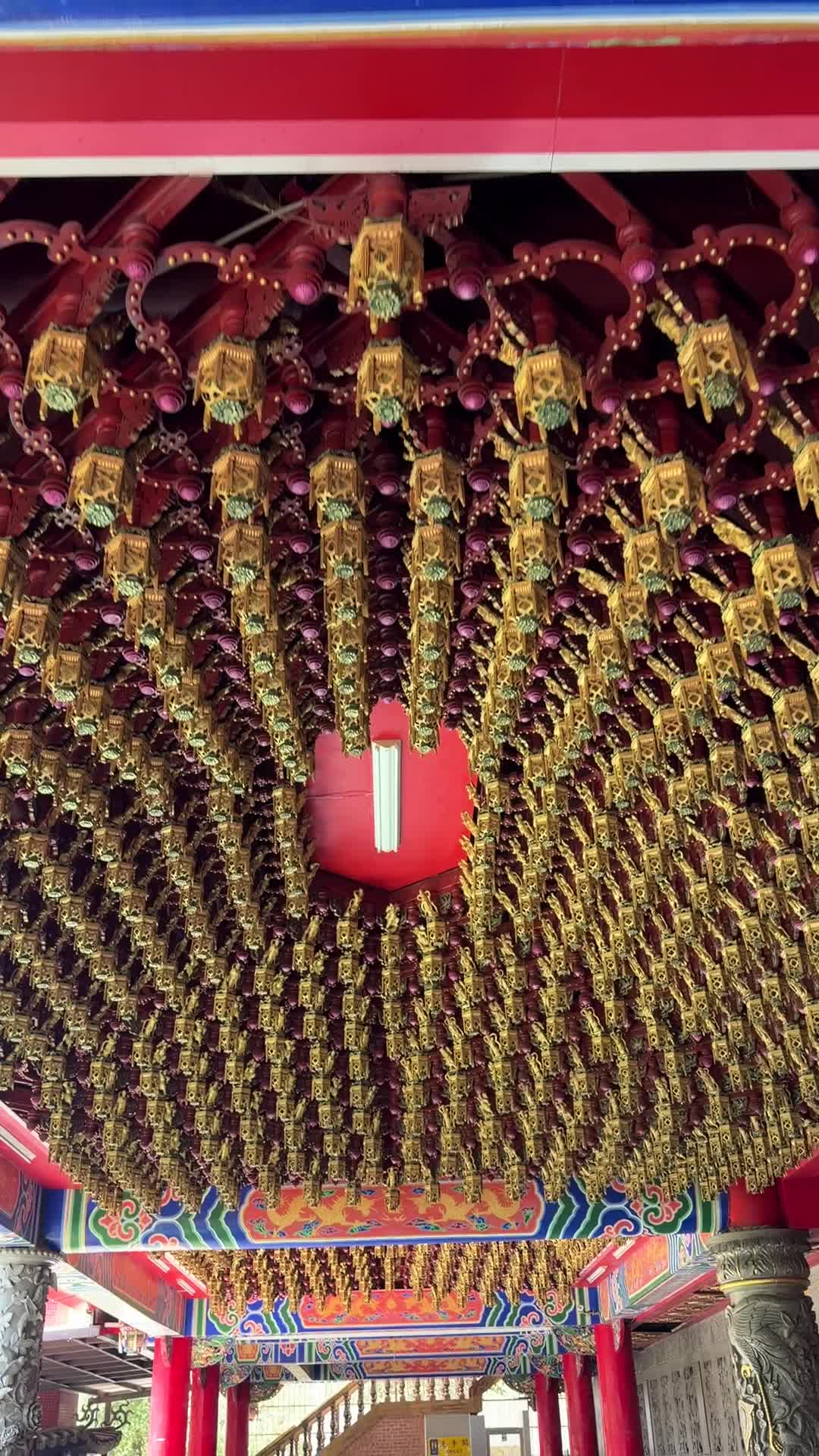
The video opens with a close-up of a golden Buddha statue hanging from a red and gold patterned ceiling, followed by a smooth downward pan revealing a long, ornate hallway lined with red pillars and intricate decorative elements. The space appears to be part of a temple or religious site, characterized by rich colors, traditional architecture, and a serene, spiritual atmosphere. The only spoken line is a single word, 'you,' at the very beginning, which may serve as a subtle invitation or prompt, though it lacks context. The visuals are static and unchanging, with no human presence, movement, or narrative progression, suggesting a purely observational or atmospheric shot. The setting is culturally significant, with clear visual cues pointing to a place of worship or heritage site, but no signage, visitor interaction, or identifiable location details are present.
Get The Atmosfy App
Discover thousands of videos, street eats, travel rewards, and local experiences curated for you.