
Manmaru Japanese Restaurant in Quezon City
 1K+ Views
 100+ Likes
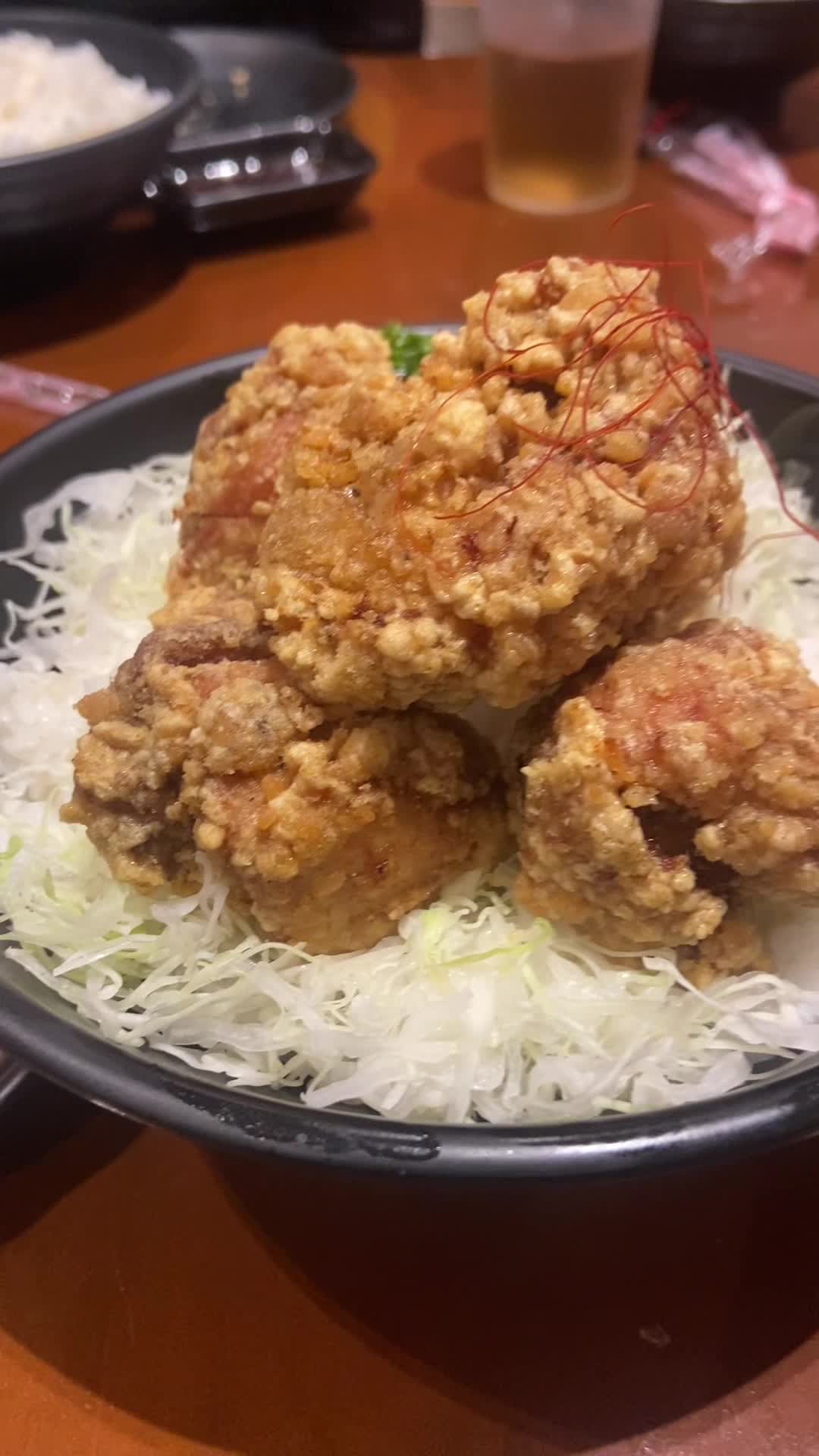
The video opens with a calming, reassuring voiceover at 0:00–0:06: 'It's all gonna be good, worry about nothing, worry about nothing, nothing now It's all gonna be good,' setting a peaceful, positive tone. The visuals show two meticulously presented Japanese dishes: first, a plate of golden-fried chicken pieces arranged over a bed of shredded cabbage, garnished with a vibrant red seasoning; second, a bowl of steaming rice topped with a rich, creamy orange sauce, finished with green onions, red seasoning, and a delicate sprinkle of fish roe. The shots are close-up, focused on the textures and colors of the food, with clean, minimalist backgrounds that emphasize the dishes. There is no visible signage, human presence, or context of a restaurant or kitchen, and the video is silent except for the spoken lines. The entire clip is under 6 seconds long, with no transitions or editing beyond a simple static shot of each dish.
 1K+ Views100+ Likes
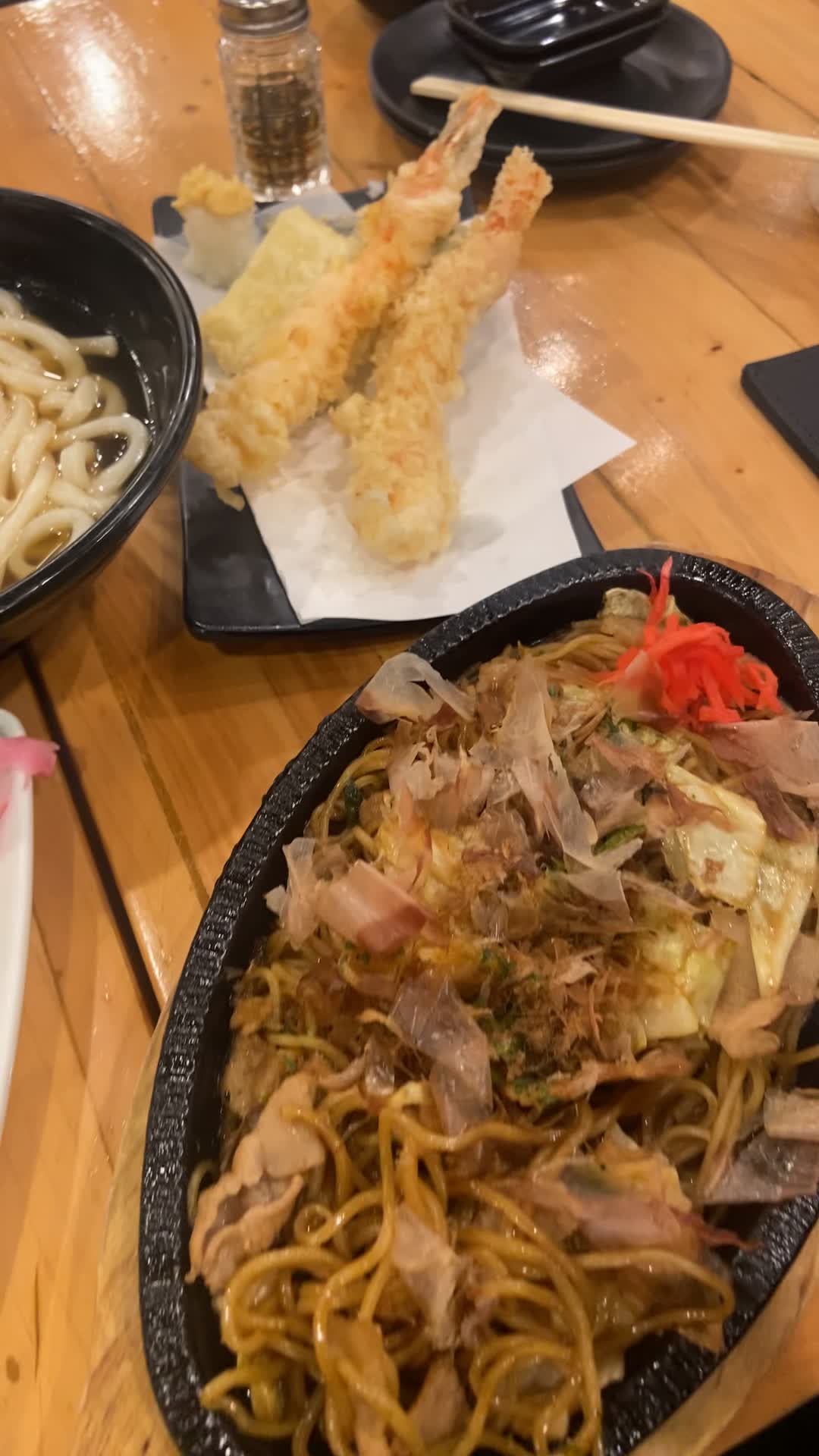
A camera pans across a wooden table displaying multiple Japanese dishes including fried chicken, udon noodles, tempura, and a meat noodle dish. The dishes are plated on ceramic plates with garnishes in a restaurant setting with ambient lighting.
 1K+ Views100+ Likes
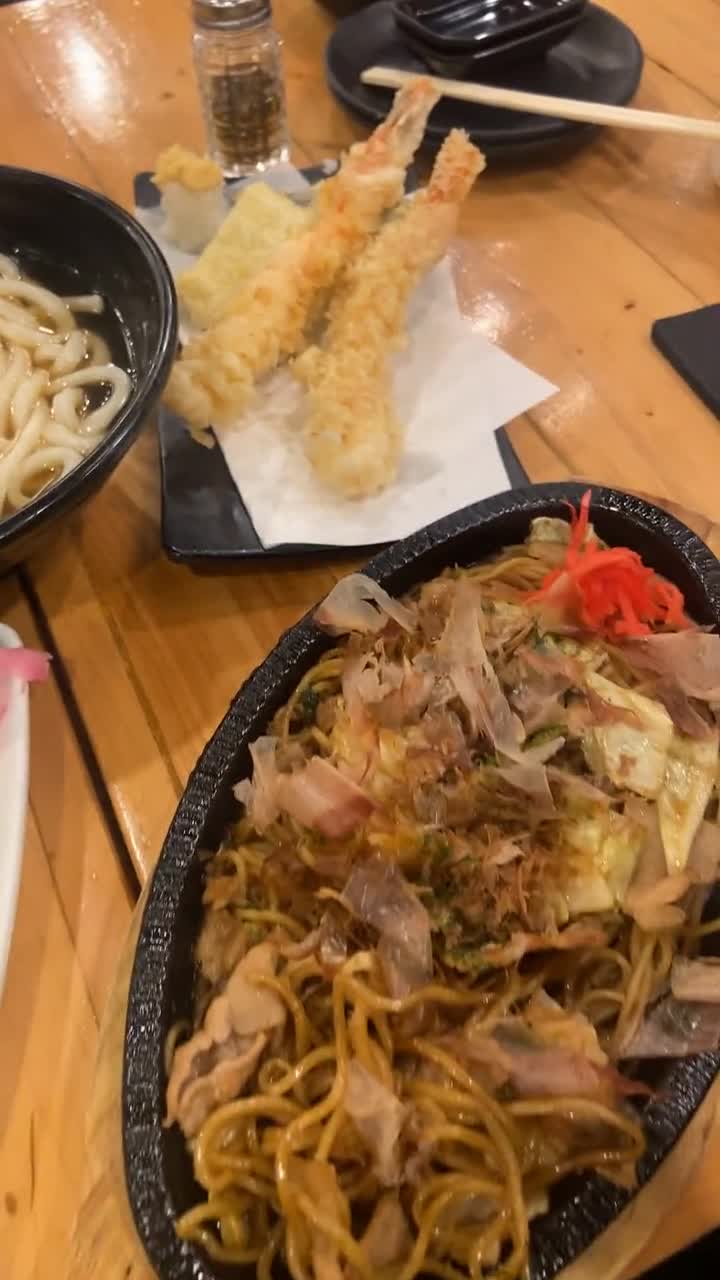
The video captures a visually appealing sequence of Japanese dishes presented on a table, with a focus on detailed close-ups of each item. At 0:00–0:10, a brief spoken thank you is heard, suggesting a moment of appreciation, possibly after a meal or during a food presentation. The visuals show fried chicken served on shredded cabbage with red seasoning, udon noodles in a black bowl with green onions, tempura shrimp on a white plate with light seasoning, and yakisoba noodles topped with a fried egg and green onions. The camera pans smoothly across the dishes, emphasizing their textures, colors, and arrangement, creating a strong sensory appeal. The setting appears to be a dining environment, likely a restaurant or home kitchen, with no visible signage or context about the location, but the food presentation is highly suggestive of a Japanese dining experience. The video is static in nature, with no movement beyond the camera pan, and lacks any narrative, dialogue, or human interaction beyond the initial thank-you. There is no indication of a venue, booking process, or specific cultural context beyond the cuisine itself.
1K+ Views100+ LikesThe video opens with a calming, reassuring voiceover at 0:00–0:06: 'It's all gonna be good, worry about nothing, worry about nothing, nothing now It's all gonna be good,' setting a peaceful, positive tone. The visuals show two meticulously presented Japanese dishes: first, a plate of golden-fried chicken pieces arranged over a bed of shredded cabbage, garnished with a vibrant red seasoning; second, a bowl of steaming rice topped with a rich, creamy orange sauce, finished with green onions, red seasoning, and a delicate sprinkle of fish roe. The shots are close-up, focused on the textures and colors of the food, with clean, minimalist backgrounds that emphasize the dishes. There is no visible signage, human presence, or context of a restaurant or kitchen, and the video is silent except for the spoken lines. The entire clip is under 6 seconds long, with no transitions or editing beyond a simple static shot of each dish.
1K+ Views100+ LikesA camera pans across a wooden table displaying multiple Japanese dishes including fried chicken, udon noodles, tempura, and a meat noodle dish. The dishes are plated on ceramic plates with garnishes in a restaurant setting with ambient lighting.
1K+ Views100+ LikesThe video captures a visually appealing sequence of Japanese dishes presented on a table, with a focus on detailed close-ups of each item. At 0:00–0:10, a brief spoken thank you is heard, suggesting a moment of appreciation, possibly after a meal or during a food presentation. The visuals show fried chicken served on shredded cabbage with red seasoning, udon noodles in a black bowl with green onions, tempura shrimp on a white plate with light seasoning, and yakisoba noodles topped with a fried egg and green onions. The camera pans smoothly across the dishes, emphasizing their textures, colors, and arrangement, creating a strong sensory appeal. The setting appears to be a dining environment, likely a restaurant or home kitchen, with no visible signage or context about the location, but the food presentation is highly suggestive of a Japanese dining experience. The video is static in nature, with no movement beyond the camera pan, and lacks any narrative, dialogue, or human interaction beyond the initial thank-you. There is no indication of a venue, booking process, or specific cultural context beyond the cuisine itself.

Happening Now in Quezon City, PH
 1K+ Views304 Likes
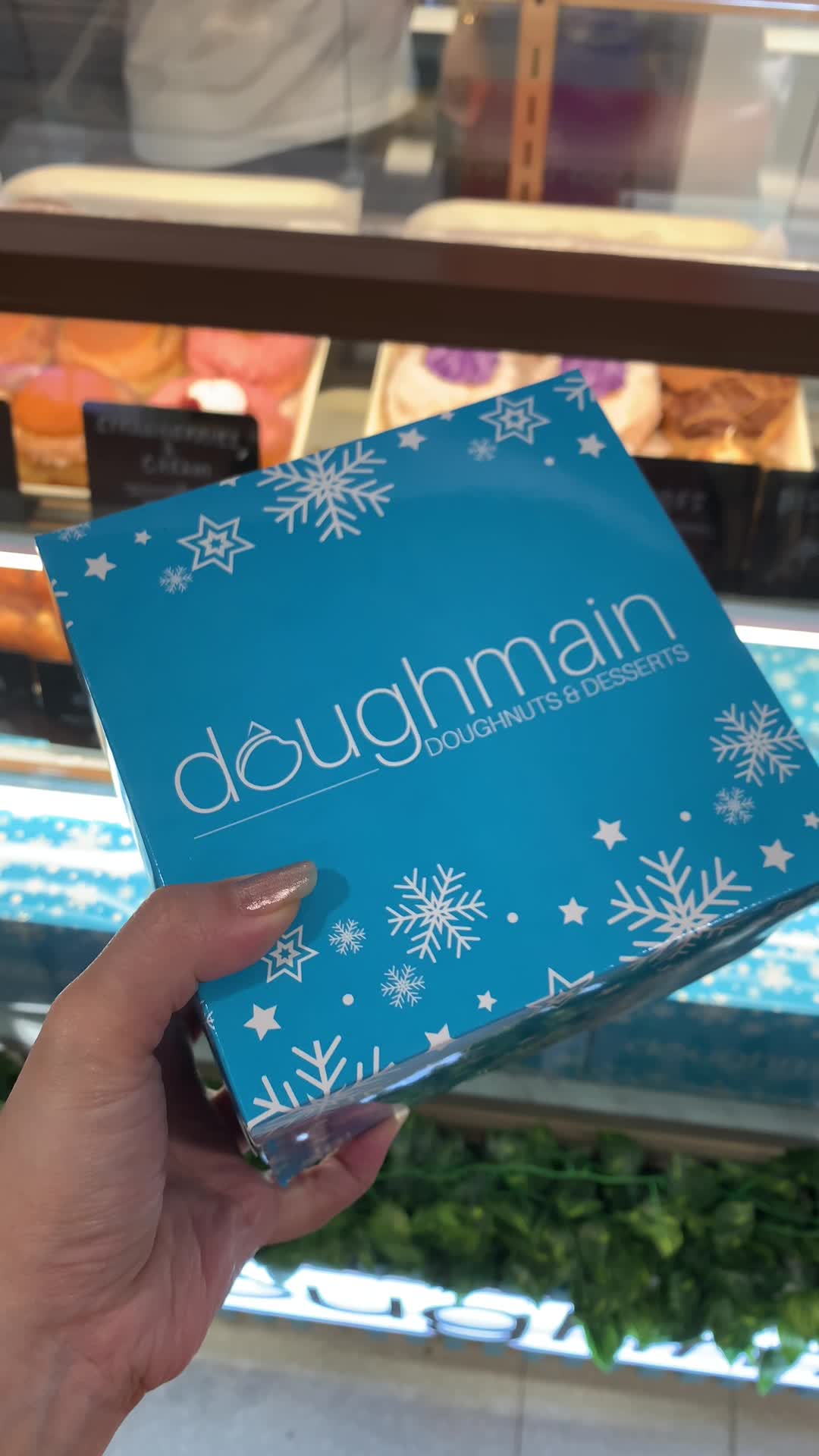
The video showcases a Doughmain doughnut shop, highlighting its logo, interior, and various doughnut flavors. It includes a close-up of a box containing four different doughnuts.
 1K+ Views246 Likes

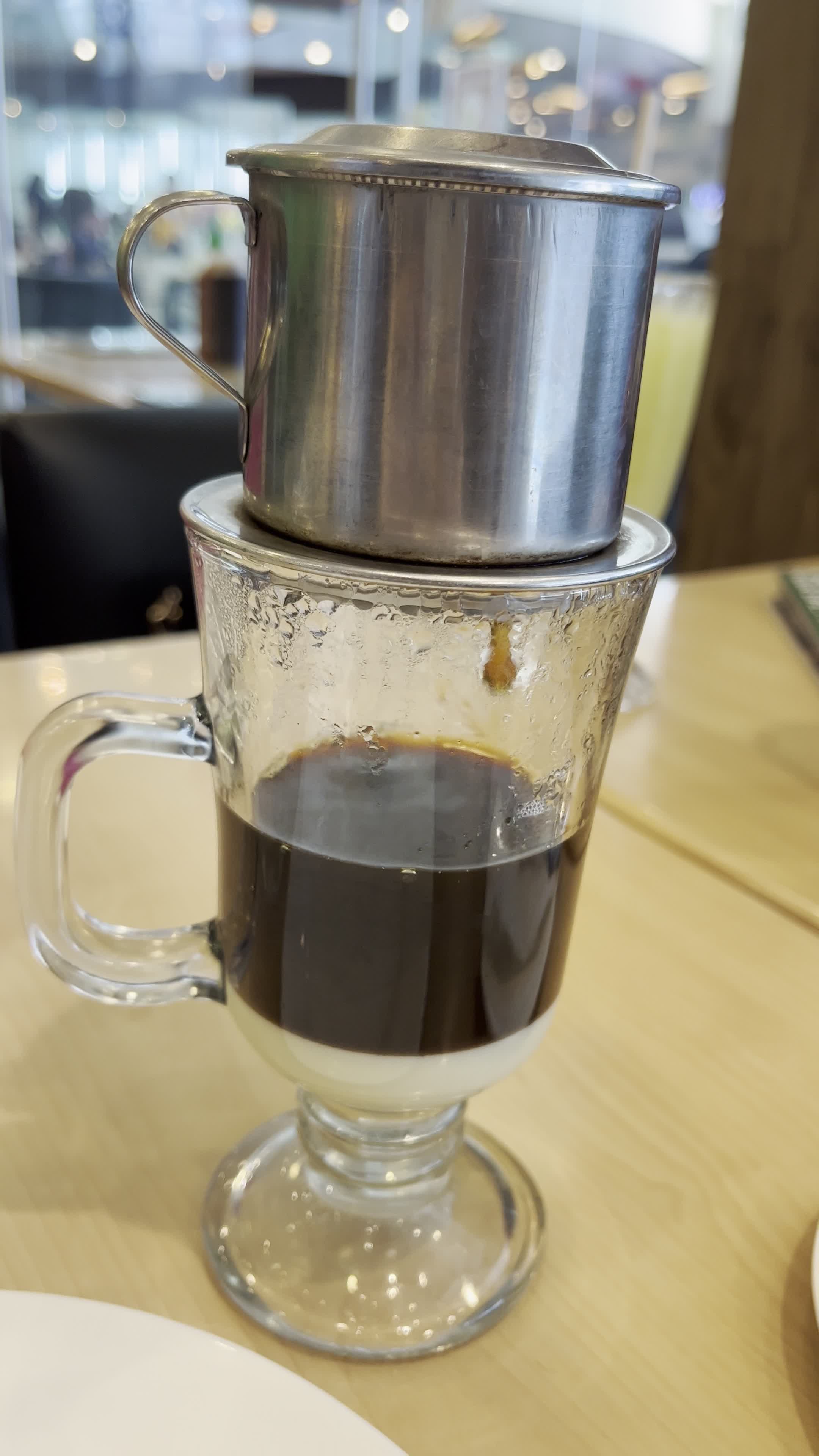
The video shows a Vietnamese coffee setup with a metal filter placed on top of a glass mug filled with condensed milk. The camera remains static, focusing on the coffee setup without any significant changes or additional context.
 1K+ Views199 Likes
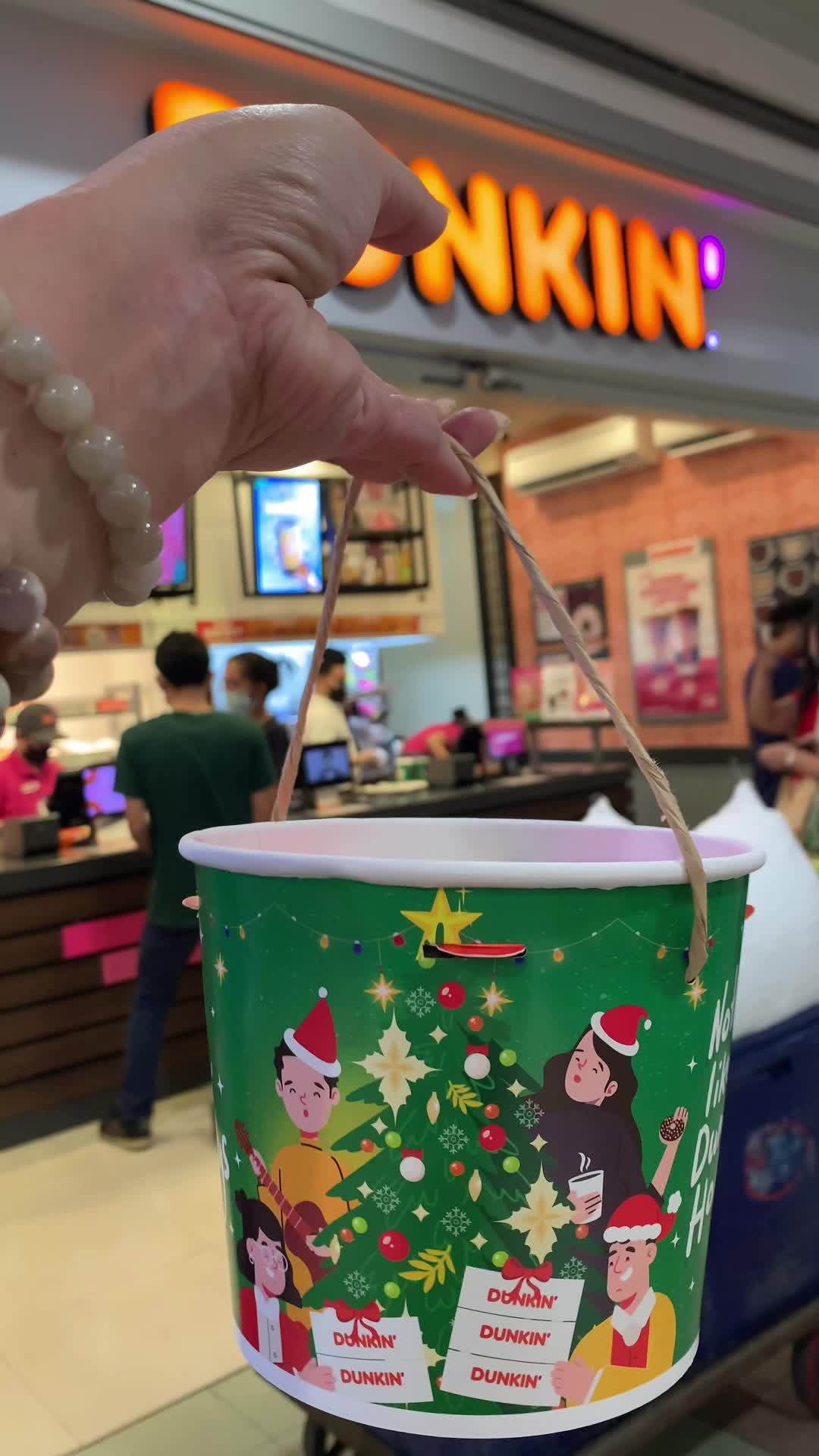
The video showcases a display of various Dunkin' Donuts products at a store counter, followed by a close-up of a Christmas-themed bucket filled with assorted donut holes, including Glazed Choco, Butternut, and Chocolate Wacko. The display and the bucket are presented against the backdrop of a Dunkin' storefront within a shopping mall setting.
 1K+ Views168 Likes
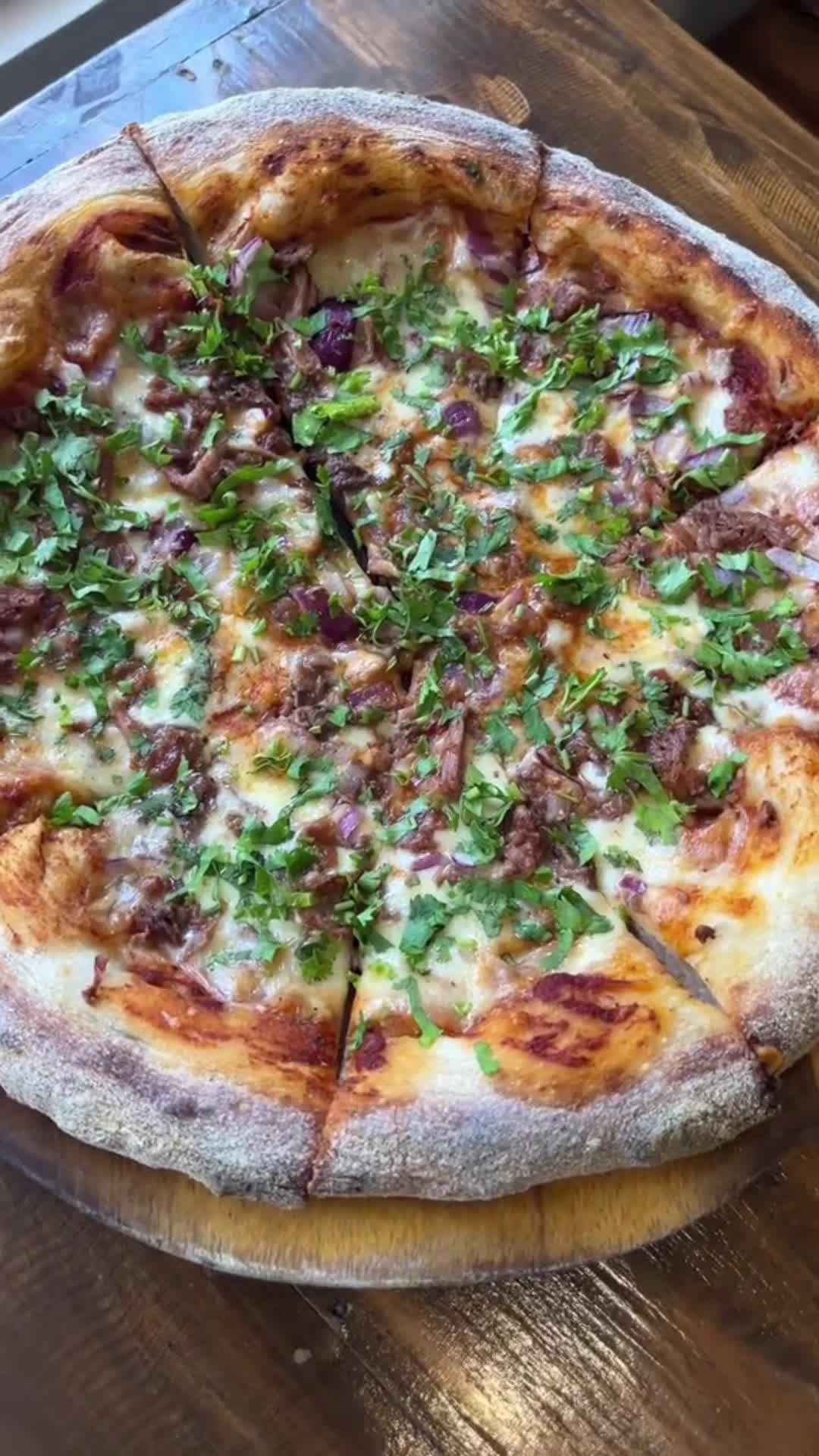
The video showcases a pizza with various toppings, including cheese, meat, onions, and cilantro. A hand lifts a slice from the pizza.
