
Sakura Ocean in Conway, Arkansas
 1K+ Views
 100+ Likes
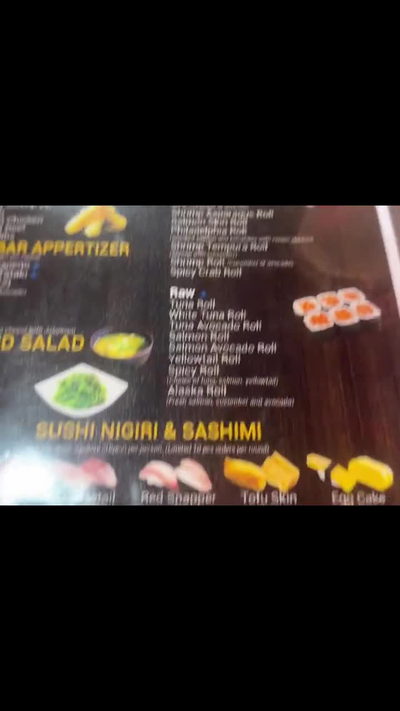
The video opens with a close-up of a plate of sushi rolls, featuring white rice with a small green vegetable topping, followed by a smooth pan to reveal a plate of fried food and a small bowl of sauce. The camera continues to pan right, showcasing shredded vegetables and a detailed view of a restaurant menu. The menu is displayed with clear text listing items and prices, emphasizing the dining experience. The video concludes with a tight close-up of the menu, reinforcing the focus on food and restaurant offerings. A single spoken line, 'Thank you,' is heard at the beginning, suggesting a polite acknowledgment, possibly from a staff member or host. The entire sequence is static and observational, with no movement beyond the camera pan and no visible people or customer interaction, indicating a staged or promotional setup for a dining experience.
 1K+ Views100+ Likes
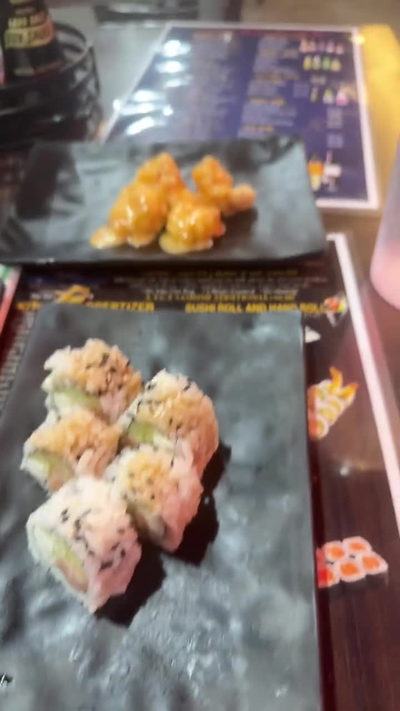
The video presents a visually appealing sequence of Japanese cuisine, focusing on the presentation and variety of dishes such as sushi rolls and shrimp tempura. The camera smoothly pans across a table set with these delicacies, highlighting their vibrant colors, textures, and artistic arrangement. The shot is static yet deliberate, emphasizing the food as the central subject without any background distractions or human presence. The only spoken word in the video is 'you' at the very beginning, which appears to be a placeholder or accidental audio clip, adding no meaningful context. Despite the minimal audio, the visual storytelling is strong, conveying a sense of culinary artistry and inviting viewers to imagine experiencing the meal in person.
 1K+ Views100+ Likes
The video presents a static, slow-moving tour of a restaurant's interior, beginning with a slightly blurry view of tables, chairs, and wall art. The camera pans across the space, highlighting wooden wall panels adorned with red and white paper lanterns, a digital clock on a TV screen, and artwork depicting a woman in a red kimono with a fan, a samurai, and another woman in a red kimono wielding a sword. The scene is consistent throughout, with no human presence, no dialogue, and no clear signage or identifiable brand. The video ends with another blurred shot of the interior, suggesting a loop or incomplete recording. The overall atmosphere is decorative and ambient, emphasizing aesthetic design over narrative or experiential engagement.
1K+ Views100+ LikesThe video opens with a close-up of a plate of sushi rolls, featuring white rice with a small green vegetable topping, followed by a smooth pan to reveal a plate of fried food and a small bowl of sauce. The camera continues to pan right, showcasing shredded vegetables and a detailed view of a restaurant menu. The menu is displayed with clear text listing items and prices, emphasizing the dining experience. The video concludes with a tight close-up of the menu, reinforcing the focus on food and restaurant offerings. A single spoken line, 'Thank you,' is heard at the beginning, suggesting a polite acknowledgment, possibly from a staff member or host. The entire sequence is static and observational, with no movement beyond the camera pan and no visible people or customer interaction, indicating a staged or promotional setup for a dining experience.
1K+ Views100+ LikesThe video presents a visually appealing sequence of Japanese cuisine, focusing on the presentation and variety of dishes such as sushi rolls and shrimp tempura. The camera smoothly pans across a table set with these delicacies, highlighting their vibrant colors, textures, and artistic arrangement. The shot is static yet deliberate, emphasizing the food as the central subject without any background distractions or human presence. The only spoken word in the video is 'you' at the very beginning, which appears to be a placeholder or accidental audio clip, adding no meaningful context. Despite the minimal audio, the visual storytelling is strong, conveying a sense of culinary artistry and inviting viewers to imagine experiencing the meal in person.
1K+ Views100+ LikesThe video presents a static, slow-moving tour of a restaurant's interior, beginning with a slightly blurry view of tables, chairs, and wall art. The camera pans across the space, highlighting wooden wall panels adorned with red and white paper lanterns, a digital clock on a TV screen, and artwork depicting a woman in a red kimono with a fan, a samurai, and another woman in a red kimono wielding a sword. The scene is consistent throughout, with no human presence, no dialogue, and no clear signage or identifiable brand. The video ends with another blurred shot of the interior, suggesting a loop or incomplete recording. The overall atmosphere is decorative and ambient, emphasizing aesthetic design over narrative or experiential engagement.

