
Umi Japanese Steakhouse & Sushi Lounge in Winston-Salem, NC
 1K+ Views
 100+ Likes

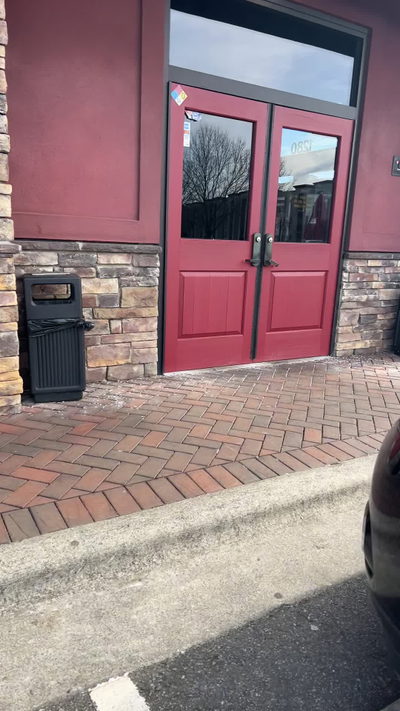
The video captures a first-time visit to UMI Japanese Steakhouse, beginning with a handheld camera view of the restaurant's exterior. A black car is parked in front, and the entrance features red double doors beneath a black awning. The camera moves forward as a person's hand enters the frame, holding a phone, then opens the door and steps inside. Inside, the space is illuminated with a black-and-white checkered floor, and tables with chairs are visible. The audio reveals a conversation between two people: one expresses surprise about being there, questioning 'what do you mean what you went there we're here right now,' while the other responds with 'this is when you went there and I'm like what what do you mean what you went there.' The dialogue continues with mentions of a fire, confusion about a video being played, and a final 'hello' at the end. The scene is shot from a first-person perspective, suggesting a personal, on-the-ground experience of entering the restaurant. The setting is clearly a dining establishment with a Japanese steakhouse theme, and the action of entering and exploring the space is replicable by viewers who might want to visit the venue.
 1K+ Views100+ Likes
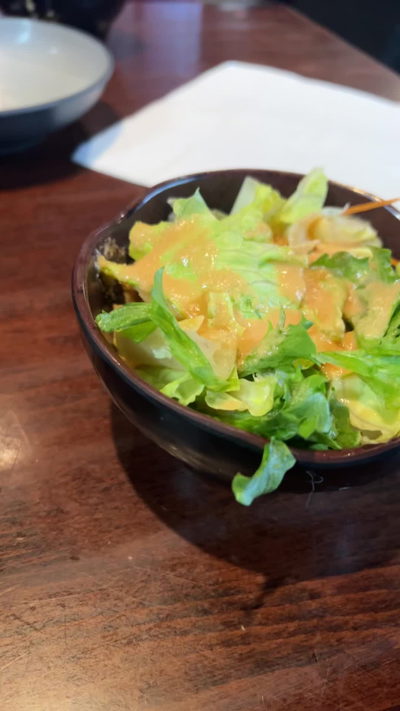
The video captures a Japanese dining experience centered around a hibachi-style meal, beginning with a close-up of a salad in a black bowl featuring green lettuce and a light orange dressing. The camera pans to reveal a full table setting with a soup bowl, a plate of edamame, and a person in a gray sweater. A white ceramic sake bottle and a small white cup are shown as a hand pours sake into the cup. The scene transitions to a person eating soup with a spoon, emphasizing the communal and interactive nature of the meal. The audio confirms the decision to order a hibachi, with mentions of soup, salad, edamame, juice, and a large order of sake. The setting appears to be a restaurant with a casual, inviting atmosphere, and the actions depicted—ordering, serving, and eating—are clearly replicable by viewers.
 1K+ Views100+ Likes
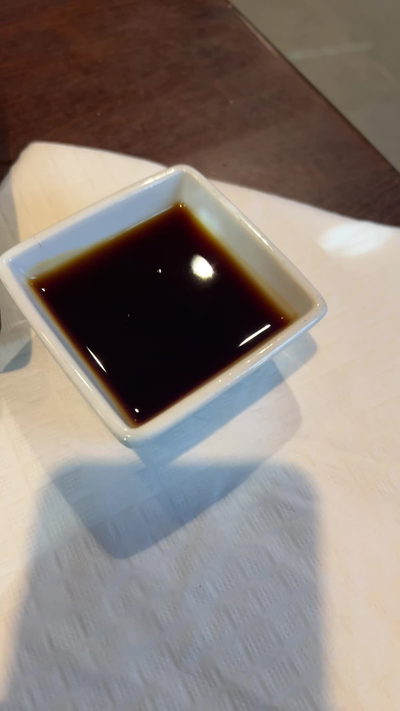
The video captures a dynamic and inviting dining experience centered around Japanese cuisine, featuring close-up shots of vibrant dishes such as salmon teriyaki and chicken hibachi, served with rice and fresh vegetables. A person is seen actively engaging with the meal—dipping edamame into soy sauce and expressing enthusiasm for the food and service. The speaker, visible in the frame, enthusiastically recommends the restaurant, emphasizing the freshness of the food and exceptional customer service. The camera pans smoothly across the table, highlighting the presentation and ingredients, while the dialogue reinforces the appeal of the experience. The setting appears to be a casual yet well-maintained restaurant with a clear visitor perspective, offering a tangible, replicable experience for viewers.
1K+ Views100+ LikesThe video captures a first-time visit to UMI Japanese Steakhouse, beginning with a handheld camera view of the restaurant's exterior. A black car is parked in front, and the entrance features red double doors beneath a black awning. The camera moves forward as a person's hand enters the frame, holding a phone, then opens the door and steps inside. Inside, the space is illuminated with a black-and-white checkered floor, and tables with chairs are visible. The audio reveals a conversation between two people: one expresses surprise about being there, questioning 'what do you mean what you went there we're here right now,' while the other responds with 'this is when you went there and I'm like what what do you mean what you went there.' The dialogue continues with mentions of a fire, confusion about a video being played, and a final 'hello' at the end. The scene is shot from a first-person perspective, suggesting a personal, on-the-ground experience of entering the restaurant. The setting is clearly a dining establishment with a Japanese steakhouse theme, and the action of entering and exploring the space is replicable by viewers who might want to visit the venue.
1K+ Views100+ LikesThe video captures a Japanese dining experience centered around a hibachi-style meal, beginning with a close-up of a salad in a black bowl featuring green lettuce and a light orange dressing. The camera pans to reveal a full table setting with a soup bowl, a plate of edamame, and a person in a gray sweater. A white ceramic sake bottle and a small white cup are shown as a hand pours sake into the cup. The scene transitions to a person eating soup with a spoon, emphasizing the communal and interactive nature of the meal. The audio confirms the decision to order a hibachi, with mentions of soup, salad, edamame, juice, and a large order of sake. The setting appears to be a restaurant with a casual, inviting atmosphere, and the actions depicted—ordering, serving, and eating—are clearly replicable by viewers.
1K+ Views100+ LikesThe video captures a dynamic and inviting dining experience centered around Japanese cuisine, featuring close-up shots of vibrant dishes such as salmon teriyaki and chicken hibachi, served with rice and fresh vegetables. A person is seen actively engaging with the meal—dipping edamame into soy sauce and expressing enthusiasm for the food and service. The speaker, visible in the frame, enthusiastically recommends the restaurant, emphasizing the freshness of the food and exceptional customer service. The camera pans smoothly across the table, highlighting the presentation and ingredients, while the dialogue reinforces the appeal of the experience. The setting appears to be a casual yet well-maintained restaurant with a clear visitor perspective, offering a tangible, replicable experience for viewers.


