
SAP in Fayetteville, Georgia
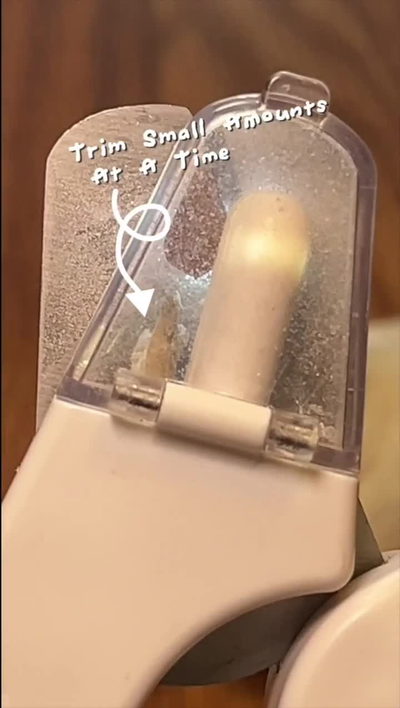
 1K+ Views
 100+ Likes
The video is a step-by-step instructional demonstration on how to safely trim a dog's nails at home. It begins with a close-up of a dog’s paw, highlighting the issue of long nails that touch the ground or make a clicking sound when walking, which can cause discomfort. The narrator explains the anatomy of the nail, emphasizing the 'quick'—the blood supply inside the nail—and warns against cutting too deep to avoid pain and bleeding. A specialized nail clipper with a built-in light and a stopper mechanism is introduced to help visualize the nail’s length and prevent over-cutting. The clipper is shown in action, trimming small amounts of nail at a time, with the trimmed pieces collected in a small container. The process is repeated on multiple nails, and the video concludes with a final close-up of the dog’s paws, now with properly trimmed nails that no longer touch the ground. The entire sequence is clear, practical, and designed to guide viewers through a replicable pet care routine.
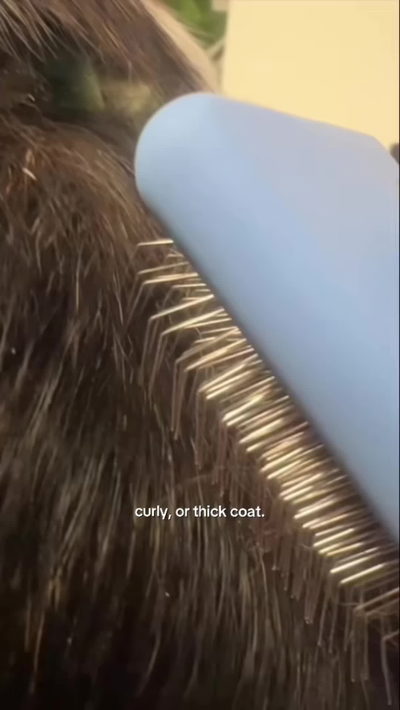 1K+ Views100+ Likes
The video is a concise educational demonstration on proper dog grooming techniques, specifically focusing on the appropriate use of slicker brushes for different dog coat types. It begins with a close-up of a dog's face, followed by a shot of a slicker brush in its packaging. The brush is then shown in a hand, and the camera transitions to it being used on a dog's back, with close-ups of the bristles collecting hair. The video ends with a final close-up of the brush covered in dog hair. The narration, delivered in a clear and instructional tone, explains that slicker brushes are not suitable for dogs with short, smooth coats but are ideal for breeds with long, curly, or thick coats such as German Shepherds, Doodles, and Poodles. The speaker emphasizes the importance of gently working through tangles and mats rather than just brushing the surface, highlighting that using the right brush makes a significant difference in dog care. The entire video is under 30 seconds, with a straightforward, no-frills production style.
 1K+ Views100+ Likes
The video is a step-by-step tutorial on how to brush a dog's teeth at home, even if the dog is initially resistant. It begins with the presenter introducing two types of dog toothbrushes—a 360 finger toothbrush and a three-sided toothbrush—and suggests using a soft cloth as an alternative for beginners. Over the first five days, the focus is on acclimating the dog to having a finger or brush near their mouth by simply wetting the brush and gently inserting it for 10 seconds on both top and bottom rows of teeth, followed by immediate praise and affection. On day six, the routine is advanced by introducing dog-safe toothpaste—specifically Dental Fresh and Bark Bright—using only a small amount. The brushing duration increases to 15 seconds per row with a back-and-forth motion, and the presenter acknowledges that the dog may make smacking noises due to the toothpaste. The video emphasizes consistency and positive reinforcement to build a daily habit, ultimately aiming to prevent bad breath and dental disease. The presenter is seen interacting with a calm, cooperative dog throughout, demonstrating the technique clearly and reassuringly.
1K+ Views100+ LikesThe video is a step-by-step instructional demonstration on how to safely trim a dog's nails at home. It begins with a close-up of a dog’s paw, highlighting the issue of long nails that touch the ground or make a clicking sound when walking, which can cause discomfort. The narrator explains the anatomy of the nail, emphasizing the 'quick'—the blood supply inside the nail—and warns against cutting too deep to avoid pain and bleeding. A specialized nail clipper with a built-in light and a stopper mechanism is introduced to help visualize the nail’s length and prevent over-cutting. The clipper is shown in action, trimming small amounts of nail at a time, with the trimmed pieces collected in a small container. The process is repeated on multiple nails, and the video concludes with a final close-up of the dog’s paws, now with properly trimmed nails that no longer touch the ground. The entire sequence is clear, practical, and designed to guide viewers through a replicable pet care routine.
1K+ Views100+ LikesThe video is a concise educational demonstration on proper dog grooming techniques, specifically focusing on the appropriate use of slicker brushes for different dog coat types. It begins with a close-up of a dog's face, followed by a shot of a slicker brush in its packaging. The brush is then shown in a hand, and the camera transitions to it being used on a dog's back, with close-ups of the bristles collecting hair. The video ends with a final close-up of the brush covered in dog hair. The narration, delivered in a clear and instructional tone, explains that slicker brushes are not suitable for dogs with short, smooth coats but are ideal for breeds with long, curly, or thick coats such as German Shepherds, Doodles, and Poodles. The speaker emphasizes the importance of gently working through tangles and mats rather than just brushing the surface, highlighting that using the right brush makes a significant difference in dog care. The entire video is under 30 seconds, with a straightforward, no-frills production style.
1K+ Views100+ LikesThe video is a step-by-step tutorial on how to brush a dog's teeth at home, even if the dog is initially resistant. It begins with the presenter introducing two types of dog toothbrushes—a 360 finger toothbrush and a three-sided toothbrush—and suggests using a soft cloth as an alternative for beginners. Over the first five days, the focus is on acclimating the dog to having a finger or brush near their mouth by simply wetting the brush and gently inserting it for 10 seconds on both top and bottom rows of teeth, followed by immediate praise and affection. On day six, the routine is advanced by introducing dog-safe toothpaste—specifically Dental Fresh and Bark Bright—using only a small amount. The brushing duration increases to 15 seconds per row with a back-and-forth motion, and the presenter acknowledges that the dog may make smacking noises due to the toothpaste. The video emphasizes consistency and positive reinforcement to build a daily habit, ultimately aiming to prevent bad breath and dental disease. The presenter is seen interacting with a calm, cooperative dog throughout, demonstrating the technique clearly and reassuringly.

Happening Now in Fayetteville, GA
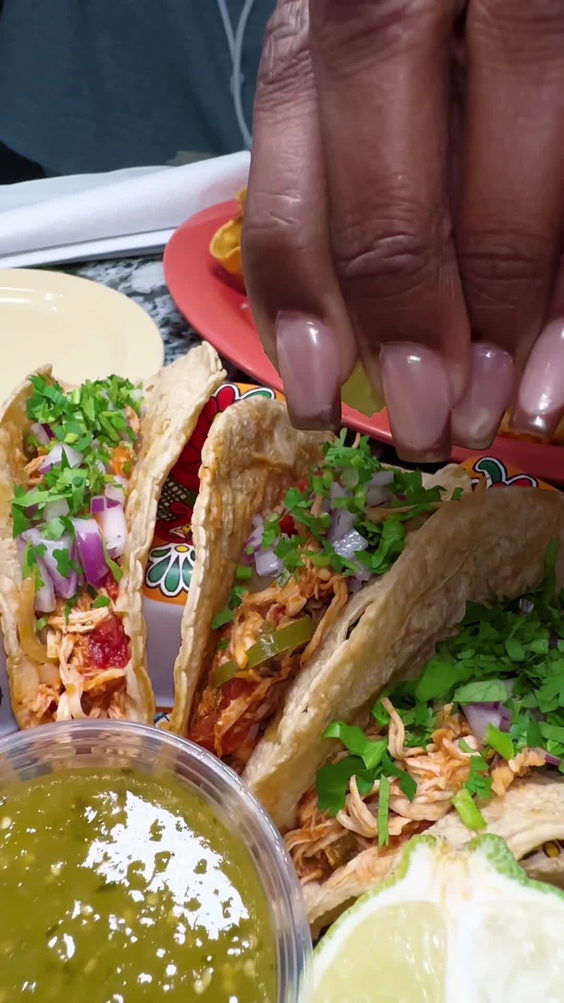 1K+ Views100+ Likes
The video showcases various dishes and drinks at Frida's Bar & Grill in Fayetteville, GA. It begins with a view of the restaurant's exterior and transitions to the interior, highlighting colorful artwork and vibrant cocktails. The camera then focuses on different food items, including tacos, shrimp skewers, and a lobster dish served in a molcajete.
 1K+ Views100+ Likes
A woman behind a black cart labeled 'ENZO STEAKHOUSE & BAR' is preparing and serving drinks. She interacts with a customer, pours a light-colored liquid into a cup containing a dark brown liquid, and mixes them together. Another person hands her money, which she places into a metal container.
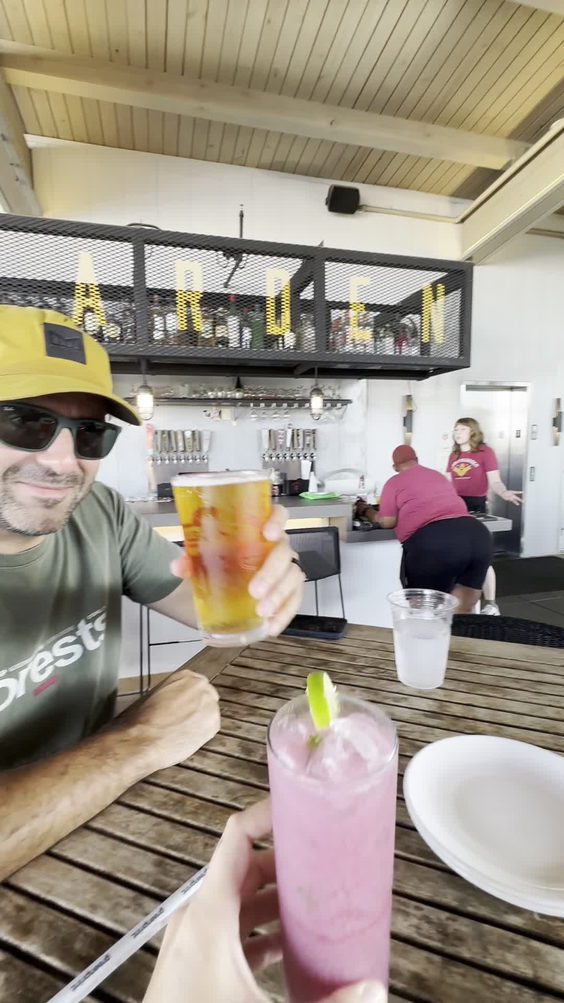 1K+ Views100+ Likes
The video captures a scene at an outdoor bar where patrons are enjoying drinks. A man wearing sunglasses and a yellow cap is seated at one of the tables, and the camera pans across the area, showing other people socializing and clinking glasses.
 1K+ Views100+ Likes
The video captures a brief scene at a bar where a bartender is preparing drinks. The camera pans across the bar area, showing the bartender, another bartender facing away, and a customer interacting with the bartender. The overall setting is modern and urban.
