Claim a $25 Atmosfy Gift Card
Unlock your $25 gift card when you download Atmosfy
Instant unlock. No fees. No catch.
Explore 500M+ real experiences across 10,000+ cities and 3M+ places on Atmosfy
Discover experiences from partners like
Best Museums Restaurants in Alexandria Atmosfy
Discover top museums restaurants in the Alexandria area. Featuring user-generated video reviews from Atmosfy.com community. Find your next favorite spots.
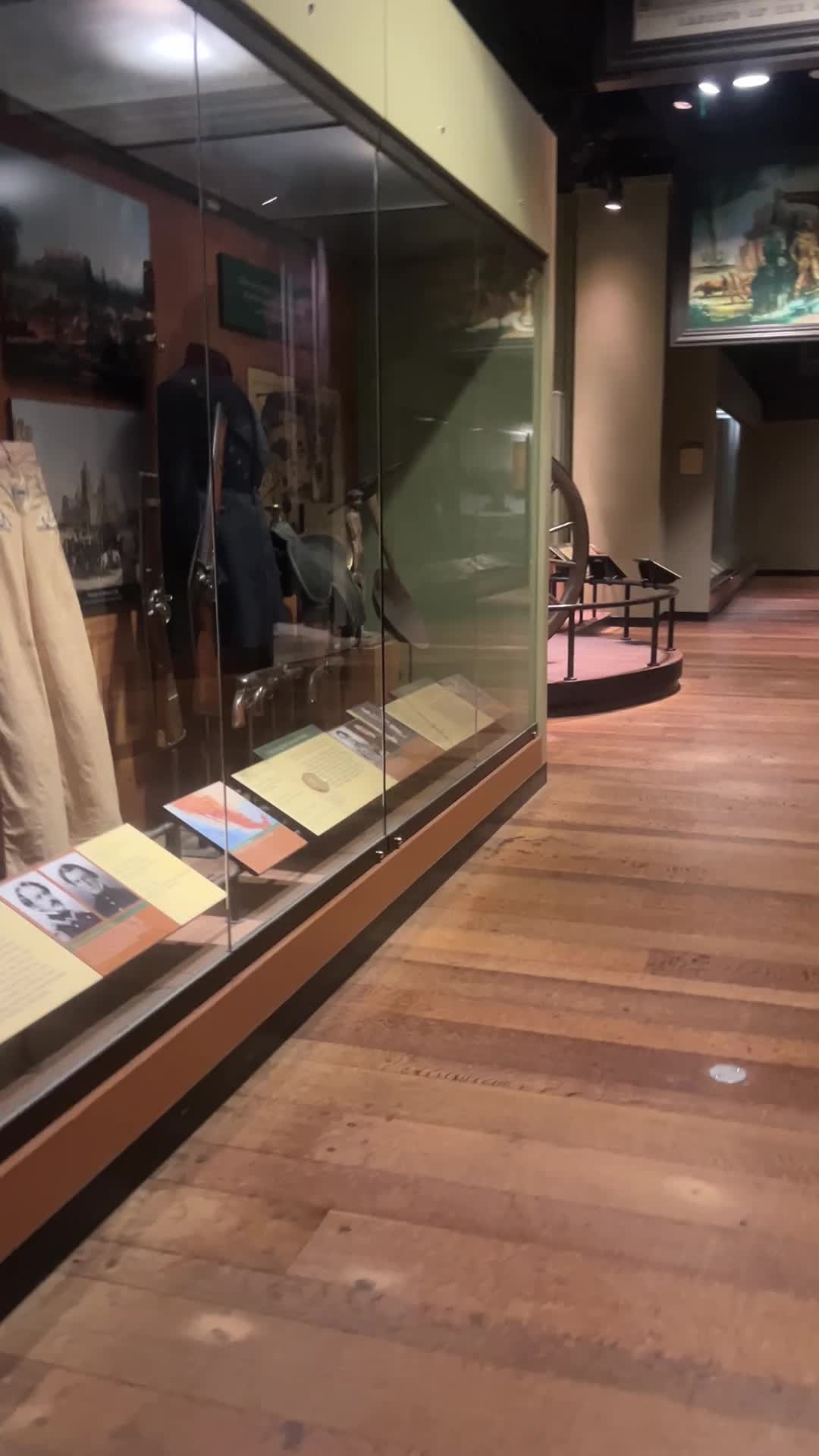
The video is a brief, static recording of a museum exhibit, beginning with a blurry close-up of a portrait of a man, a flag, and text, followed by a slow pan to the right across a display case containing artifacts and informational panels. The camera continues to move across a wooden floor and a wall with additional exhibits, ending with the pan still in motion. The only audio is a simple closing message at the start: 'ご視聴ありがとうございました' (Thank you for watching). The video lacks a clear narrative, visitor perspective, or contextual details about the museum or its significance, and appears to be a generic, unedited B-roll shot of a museum interior with no identifiable signage or unique features. It does not show any human interaction, visitor engagement, or specific experience that viewers could replicate.
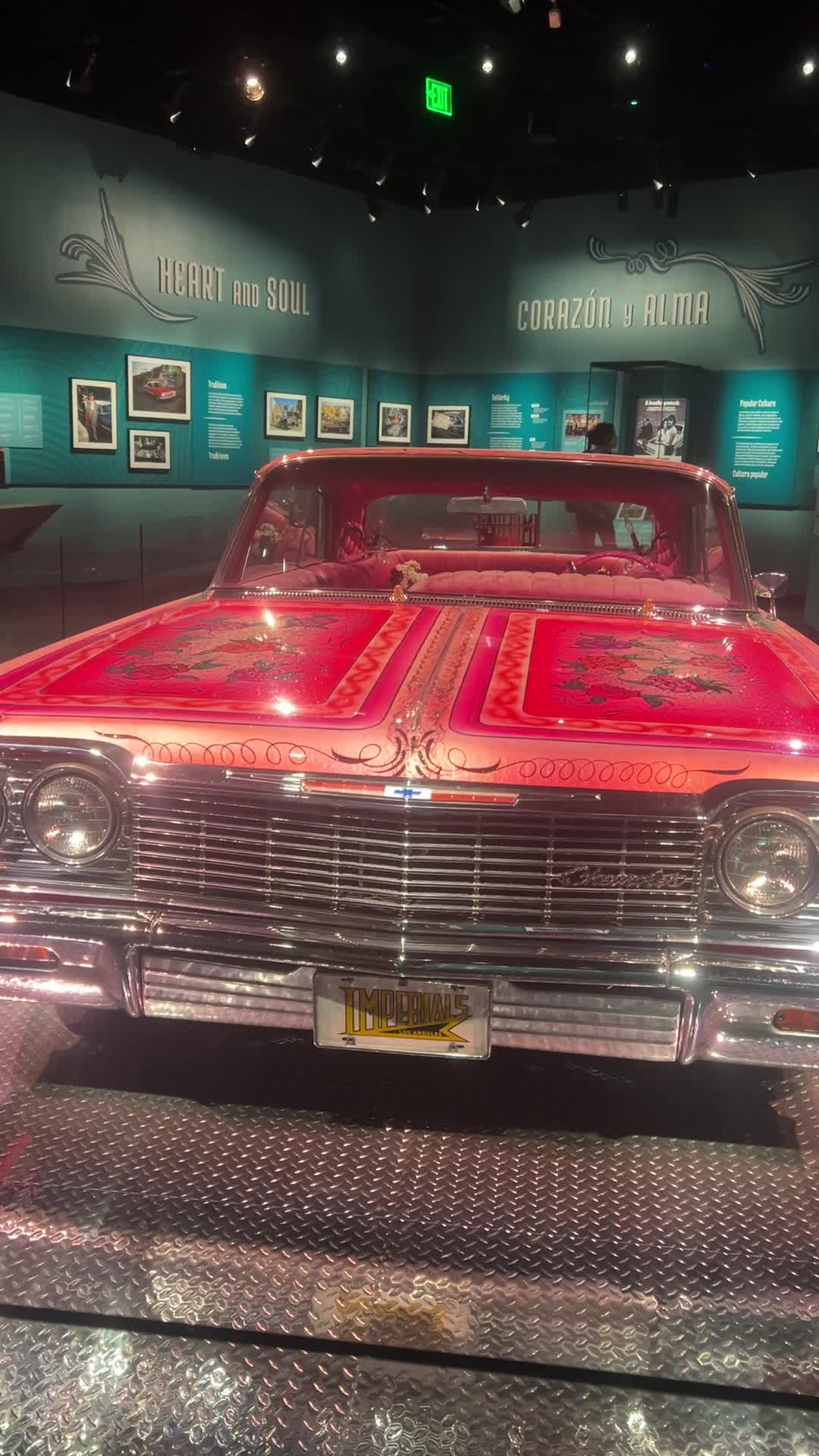
The video features a close-up, stationary shot of a vibrant red vintage car with intricate hand-painted designs and chrome detailing, displayed in a museum setting. The camera focuses on the front of the vehicle, emphasizing its glossy finish, ornate grille, and artistic patterns on the hood and sides. The background consists of museum walls adorned with informational text and images related to the car's cultural and historical significance, suggesting it is part of a curated exhibit. A brief spoken line at the beginning, 'on the second floor,' indicates the location within the museum, providing context for the viewer. The scene is static, with no movement beyond subtle ambient lighting changes, and no human presence is visible, but the setting clearly implies a visitor experience centered around art, design, and automotive history.
A stationary shot captures a vibrant red and yellow vintage car displayed in a museum setting, with a dark blue backdrop featuring framed artwork and a large screen showing a blurred crowd image. The car's design emphasizes a bold grille and polished chrome details, suggesting a focus on automotive history and artistry. The only spoken word in the video is 'you' at the very beginning, which may serve as a direct address to the viewer, potentially inviting engagement with the exhibit. The scene lacks dynamic movement, human interaction, or contextual storytelling, presenting a static, observational view of the vehicle as a curated artifact.
The video opens with a close-up shot of Captain America's iconic shield displayed in a glass case, featuring its signature red, white, and blue color scheme with a central star. The camera slowly pans left to reveal a guitar adorned with an American flag design, also housed in a protective case. The setting is dimly lit, with focused lighting enhancing the visual prominence of both artifacts. The scene is static and unchanging throughout the 6-second duration, with no movement beyond the pan. A brief spoken greeting, 'Hello,' is heard at the beginning (00:03–00:05), but no further dialogue or action occurs. The video ends with the camera still in motion, suggesting a continuous, deliberate framing of the exhibit. The overall tone is museum-like, emphasizing cultural and historical artifacts within a curated display.
The video begins with a brief spoken message at 00:03–00:06: '다음 영상에서 만나요.' (See you in the next video.), followed by a static visual of a museum exhibit featuring a detailed statue of a woman. The statue is depicted with a determined expression, raising her right arm while holding a shield adorned with stars and stripes, symbolizing national identity. The statue is enclosed in glass, positioned within a museum setting with visible informational placards and ambient lighting. The shot remains fixed, focusing on the statue’s form and symbolic elements, with no movement or dynamic action. The video ends at 00:06 with no further visual or audio content.
A static shot of a mannequin dressed in a historical green coat, white shirt, and black shoes, displayed inside a glass case in a dimly lit museum-like setting. The background features other exhibits, suggesting a cultural or historical display. The only audio is a brief greeting: '안녕하세요. 안녕하세요.' spoken at the start. The video lacks movement, narrative, or viewer interaction, presenting a purely observational, unedited view of a museum exhibit.
The video features a static, close-up shot of a life-sized replica of the Statue of Liberty positioned on a black circular base within a museum-like setting. The statue holds a red apple in one hand and a bowl of strawberries in the other, creating a surreal, symbolic juxtaposition of American iconography with fruit. The background includes other exhibits and informational displays, suggesting a curated art or cultural installation. The camera remains completely still throughout the 4-second clip, with no movement, audio, or human presence. The only spoken word is 'you' at the very beginning, which appears to be an isolated, uncontextual utterance with no apparent connection to the visual content. The overall presentation lacks narrative, action, or viewer engagement beyond the visual curiosity of the sculpture's unusual props.
The video presents a static, unedited shot of a museum exhibit featuring a detailed model of a building with a red roof and white walls. Surrounding the model are several framed displays: a portrait of Abraham Lincoln, a poster with an eagle and the word 'REMEMBER,' and multiple smaller framed images and text panels that suggest a historical or patriotic theme. The camera remains fixed, offering a clear, wide-angle view of the entire exhibit without movement or dynamic framing. The only audio is a single spoken word, 'you,' at the very beginning (0s–2s), which appears to be an isolated utterance with no contextual connection to the visuals. There is no indication of visitors, staff, or any interactive or experiential elements, and the setting lacks signage or identifiable location markers. The content is purely visual and static, resembling a museum display shot for archival or educational purposes.