
Drink Bar星座 in Shenzhen
 1K+ Views
 100+ Likes
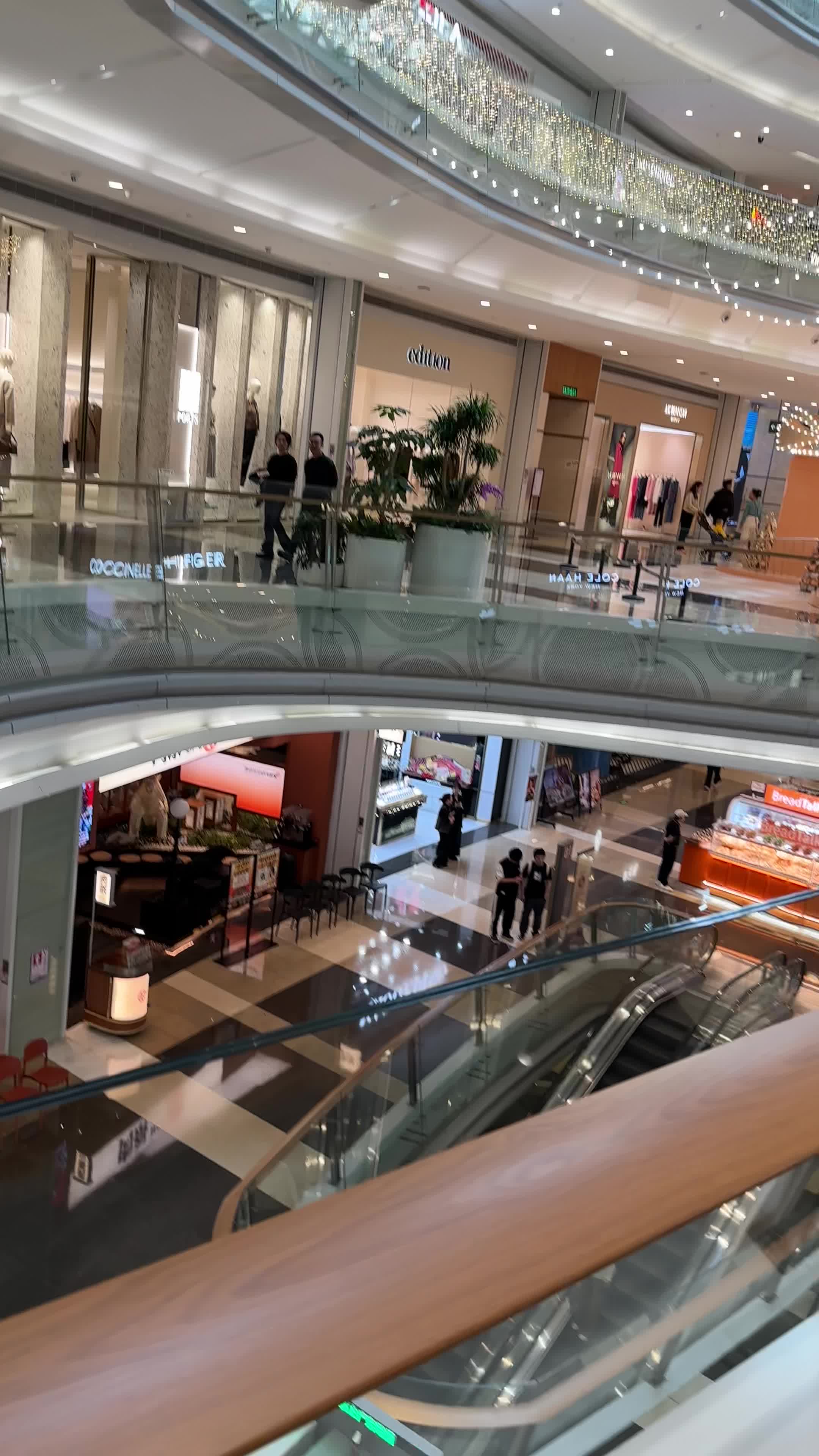
The video captures a vibrant shopping mall environment with dynamic movement and festive decorations. The camera glides through multi-level corridors, showcasing a variety of retail stores, shoppers browsing, and a large, ornate Christmas tree at the center. The architecture features modern glass railings, open spaces, and bright, even lighting that enhances the lively and inviting atmosphere. The scene conveys a sense of urban consumer culture during the holiday season, with people walking, window-shopping, and interacting in a public commercial space. There is no spoken dialogue, but the visual cues strongly suggest a real-world, visitable location where viewers could replicate the experience by visiting a similar mall.
 1K+ Views100+ Likes
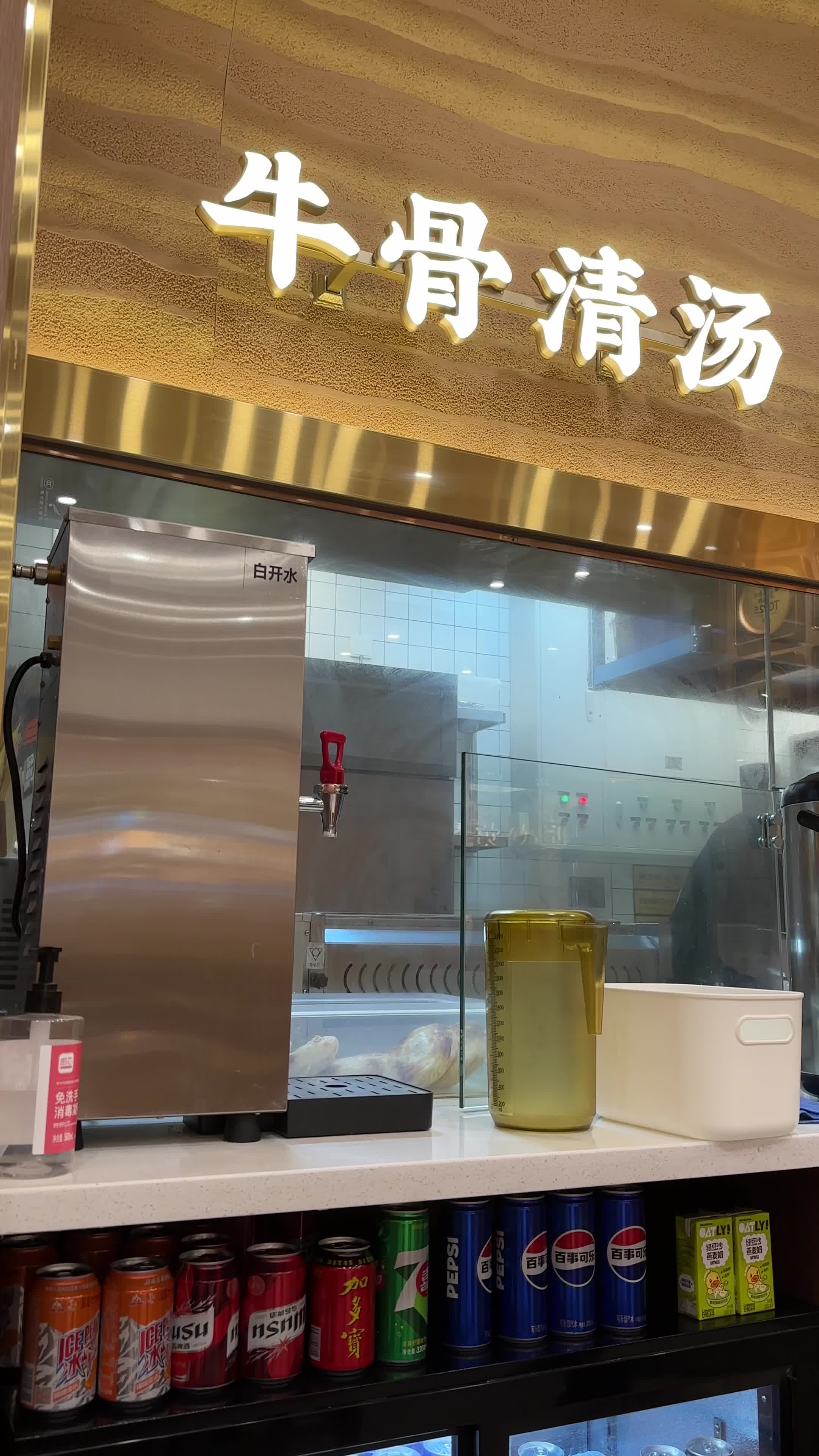
The video presents a static, observational tour of a restaurant's interior, beginning with a wide shot of wooden tables and chairs, a menu board, and a display of bread. The camera pans right to reveal a beverage station with a water dispenser and assorted canned drinks. Two staff members—one in a red shirt, the other in a blue shirt—are seen working behind the counter. The pan continues to showcase decorative tiles on a wall and a sign with Chinese characters, reinforcing the restaurant’s cultural aesthetic. The video concludes with a lingering shot of the beverage station and employees in action. The content is purely visual, with no spoken dialogue or audio cues, and lacks dynamic movement, narrative progression, or human interaction beyond staff activity. There is no signage identifying the restaurant’s name, no visible customers, and no indication of a specific menu or service experience. The framing is consistent and stable, suggesting a fixed camera or smooth pan, but the overall production style is minimal and lacks polish or intentional storytelling.
 1K+ Views100+ Likes
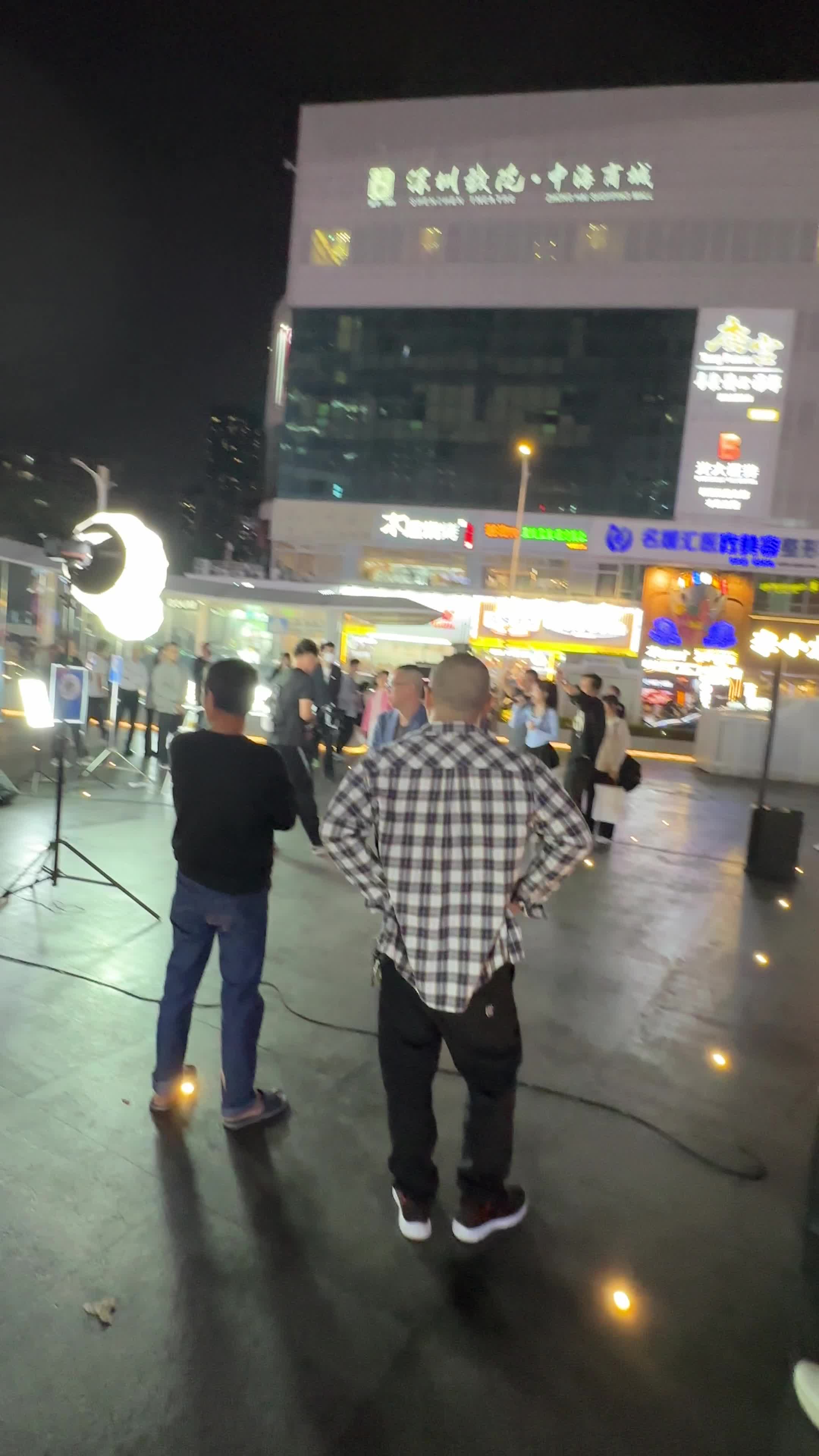
The video captures a vibrant city square at night, showcasing dynamic social interactions among a group of people. The camera begins with a wide pan across the bustling square, highlighting illuminated buildings, pedestrian traffic, and ambient nightlife energy. It then focuses on a central group of individuals engaged in conversation, with close-ups emphasizing their facial expressions and gestures. The scene conveys a sense of urban connection and cultural exchange, offering viewers a glimpse into an authentic, real-world social experience. The setting is clearly identifiable as a public urban space with a lively atmosphere, and the human interactions suggest a visitable, experiential destination that viewers could replicate by visiting similar city squares.
1K+ Views100+ LikesThe video captures a vibrant shopping mall environment with dynamic movement and festive decorations. The camera glides through multi-level corridors, showcasing a variety of retail stores, shoppers browsing, and a large, ornate Christmas tree at the center. The architecture features modern glass railings, open spaces, and bright, even lighting that enhances the lively and inviting atmosphere. The scene conveys a sense of urban consumer culture during the holiday season, with people walking, window-shopping, and interacting in a public commercial space. There is no spoken dialogue, but the visual cues strongly suggest a real-world, visitable location where viewers could replicate the experience by visiting a similar mall.
1K+ Views100+ LikesThe video presents a static, observational tour of a restaurant's interior, beginning with a wide shot of wooden tables and chairs, a menu board, and a display of bread. The camera pans right to reveal a beverage station with a water dispenser and assorted canned drinks. Two staff members—one in a red shirt, the other in a blue shirt—are seen working behind the counter. The pan continues to showcase decorative tiles on a wall and a sign with Chinese characters, reinforcing the restaurant’s cultural aesthetic. The video concludes with a lingering shot of the beverage station and employees in action. The content is purely visual, with no spoken dialogue or audio cues, and lacks dynamic movement, narrative progression, or human interaction beyond staff activity. There is no signage identifying the restaurant’s name, no visible customers, and no indication of a specific menu or service experience. The framing is consistent and stable, suggesting a fixed camera or smooth pan, but the overall production style is minimal and lacks polish or intentional storytelling.
1K+ Views100+ LikesThe video captures a vibrant city square at night, showcasing dynamic social interactions among a group of people. The camera begins with a wide pan across the bustling square, highlighting illuminated buildings, pedestrian traffic, and ambient nightlife energy. It then focuses on a central group of individuals engaged in conversation, with close-ups emphasizing their facial expressions and gestures. The scene conveys a sense of urban connection and cultural exchange, offering viewers a glimpse into an authentic, real-world social experience. The setting is clearly identifiable as a public urban space with a lively atmosphere, and the human interactions suggest a visitable, experiential destination that viewers could replicate by visiting similar city squares.

