
花丸軒 in Osaka
難波・法善寺店
 1K+ Views
 100+ Likes
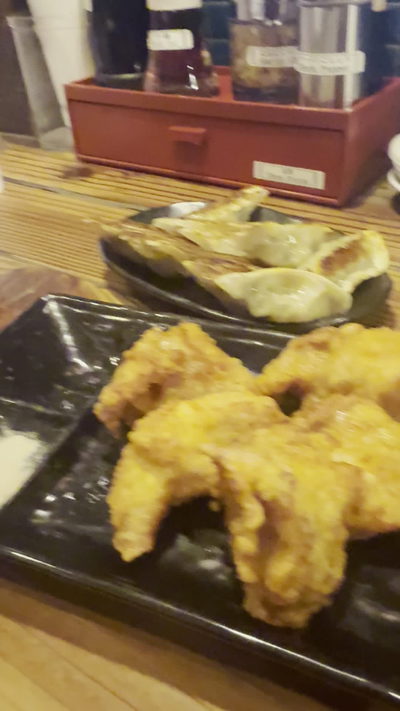
The video captures a candid moment at a casual dining setting, beginning with a close-up of two plates of food—one with fried chicken and the other with dumplings—on a wooden table. The camera pans right to reveal a bowl of ramen with chopsticks, followed by a glimpse of a kitchen area where a chef is preparing food behind a stainless steel counter. Two people are seated at the table, engaging in conversation. The audio reveals a personal, emotional exchange: one person expresses frustration about a past relationship, saying, 'Sabi niya ay yung masama ko. Alam ko ba kasama hindi? Alam ko kasama. Last day kasama. Hindi gusto niya kasi dito sa kainan na to.' This indicates that the location holds emotional significance, possibly a place where a relationship ended. The scene is intimate and grounded in real-life experience, blending food, setting, and personal narrative. The visuals are steady and focused on the food and environment, with no dramatic editing or flashy effects. The overall tone is reflective and authentic, emphasizing the connection between place and memory.
 1K+ Views100+ Likes
The video opens with a close-up shot of a steaming bowl of ramen, highlighting its rich broth and carefully arranged ingredients: sliced pork, a soft-boiled egg, green onions, bamboo shoots, nori, and a pink pickled ginger slice. The camera pans smoothly to the right, revealing a wooden table set with condiments and a tray of fried appetizers, suggesting a casual yet authentic dining experience. The frame then widens to show the restaurant's interior—minimalist wooden decor, a counter with a chef preparing food in the background, and a warm, inviting atmosphere. At 0s–1s, a voice asks, 'Pwede ba yan?' (Is this allowed?), implying a moment of hesitation or curiosity, possibly about the dish or the experience. The entire sequence is visually focused on the food and environment, with no dialogue beyond that single line, and no visible signage or clear indication of the restaurant's name or location. The video is shot in a vertical orientation, with smooth, deliberate camera movements that emphasize the dish and setting.
 1K+ Views100+ Likes
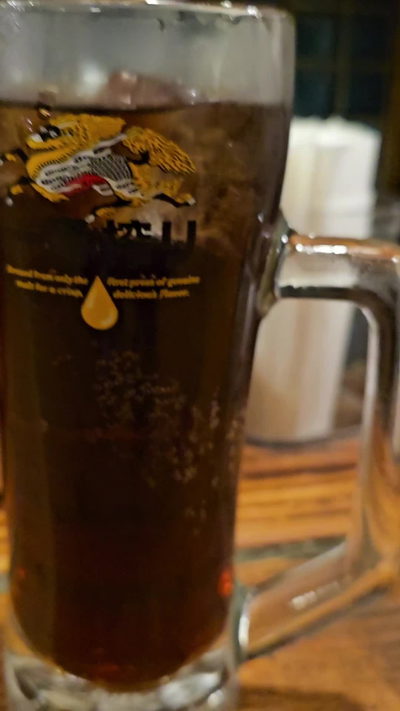
The video opens with a poetic, dreamlike narration in Chinese that evokes a sense of nostalgia and lightness, describing the feeling of stepping into a fresh morning air, playful animals, and the gentle movement of wind. The visuals, however, contradict this lyrical tone by showing a bustling nighttime ramen shop with a prominent Japanese sign, a line of customers, and close-ups of food items like ramen with red swirl garnish, fried rice, fried chicken, and a beer with a dragon logo. The camera pans across the menu board and the dining area, ending with a black screen displaying the CapCut logo. Despite the poetic audio, the visual content centers on a specific, visitable dining experience in a foreign cultural setting, with clear cues of a real-world location and food to try. The contrast between the ethereal dialogue and the grounded visuals creates a surreal, artistic effect, but the core experience remains a tangible one: visiting a ramen shop and enjoying its offerings.
1K+ Views100+ LikesThe video captures a candid moment at a casual dining setting, beginning with a close-up of two plates of food—one with fried chicken and the other with dumplings—on a wooden table. The camera pans right to reveal a bowl of ramen with chopsticks, followed by a glimpse of a kitchen area where a chef is preparing food behind a stainless steel counter. Two people are seated at the table, engaging in conversation. The audio reveals a personal, emotional exchange: one person expresses frustration about a past relationship, saying, 'Sabi niya ay yung masama ko. Alam ko ba kasama hindi? Alam ko kasama. Last day kasama. Hindi gusto niya kasi dito sa kainan na to.' This indicates that the location holds emotional significance, possibly a place where a relationship ended. The scene is intimate and grounded in real-life experience, blending food, setting, and personal narrative. The visuals are steady and focused on the food and environment, with no dramatic editing or flashy effects. The overall tone is reflective and authentic, emphasizing the connection between place and memory.
1K+ Views100+ LikesThe video opens with a close-up shot of a steaming bowl of ramen, highlighting its rich broth and carefully arranged ingredients: sliced pork, a soft-boiled egg, green onions, bamboo shoots, nori, and a pink pickled ginger slice. The camera pans smoothly to the right, revealing a wooden table set with condiments and a tray of fried appetizers, suggesting a casual yet authentic dining experience. The frame then widens to show the restaurant's interior—minimalist wooden decor, a counter with a chef preparing food in the background, and a warm, inviting atmosphere. At 0s–1s, a voice asks, 'Pwede ba yan?' (Is this allowed?), implying a moment of hesitation or curiosity, possibly about the dish or the experience. The entire sequence is visually focused on the food and environment, with no dialogue beyond that single line, and no visible signage or clear indication of the restaurant's name or location. The video is shot in a vertical orientation, with smooth, deliberate camera movements that emphasize the dish and setting.
1K+ Views100+ LikesThe video opens with a poetic, dreamlike narration in Chinese that evokes a sense of nostalgia and lightness, describing the feeling of stepping into a fresh morning air, playful animals, and the gentle movement of wind. The visuals, however, contradict this lyrical tone by showing a bustling nighttime ramen shop with a prominent Japanese sign, a line of customers, and close-ups of food items like ramen with red swirl garnish, fried rice, fried chicken, and a beer with a dragon logo. The camera pans across the menu board and the dining area, ending with a black screen displaying the CapCut logo. Despite the poetic audio, the visual content centers on a specific, visitable dining experience in a foreign cultural setting, with clear cues of a real-world location and food to try. The contrast between the ethereal dialogue and the grounded visuals creates a surreal, artistic effect, but the core experience remains a tangible one: visiting a ramen shop and enjoying its offerings.

Happening Now in Osaka
 1K+ Views100+ Likes
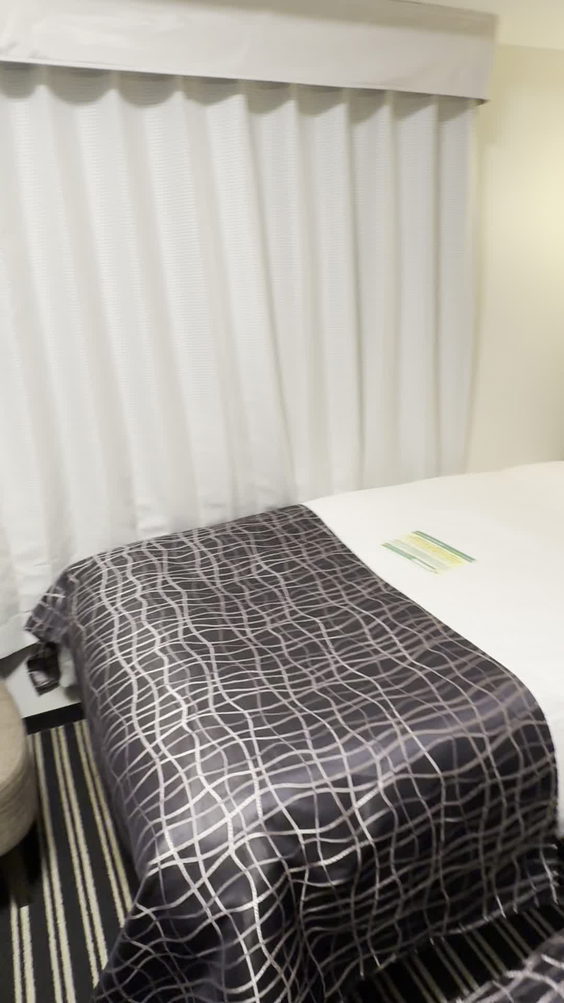
APA Hotel Namba-Shinsaibashi
Ōsaka, Japan


The video showcases a hotel room with two beds, a desk with a TV, and various amenities.
 1K+ Views100+ Likes
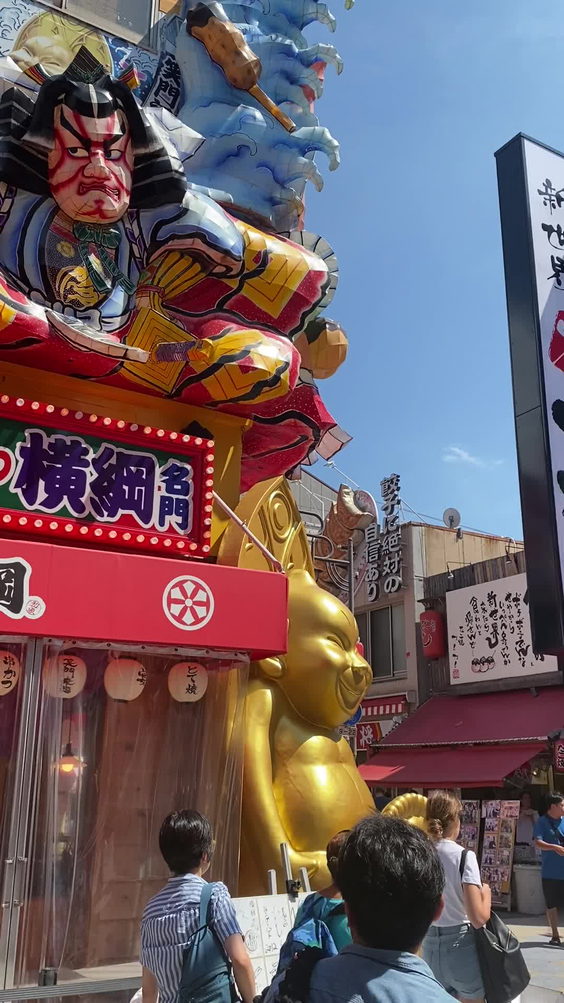
Shinsekai Market
Ōsaka, Japan

The video captures a bustling street scene in Japan, showcasing various shops and restaurants with vibrant signage and decorations. The camera pans across the street, highlighting a large golden statue and traditional Japanese artwork.
 1K+ Views100+ Likes
DEER体操教室
大阪市港区磯路3−8−24藤和市岡ハイタウン208, JP
A deer walks along a paved path in a park, followed by a woman in a yellow hat. Other pedestrians are visible in the background.
 1K+ Views100+ Likes
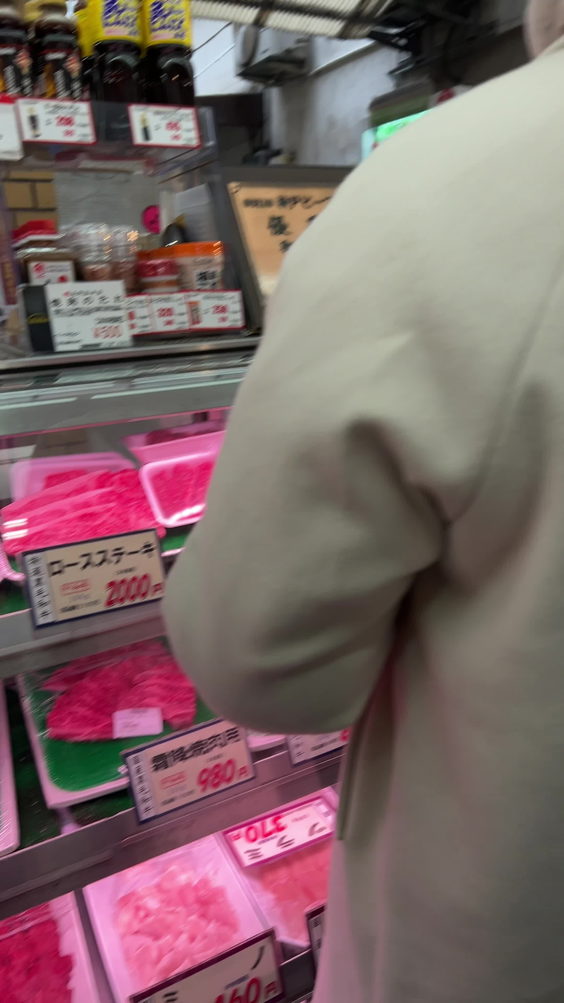
The video starts with a close-up of a meat display case filled with various cuts of beef, each with a price tag. The camera then pans up and moves forward, revealing a bustling market scene with people walking around and a man holding a tray of food. The market has a traditional Japanese aesthetic with wooden structures and red lanterns hanging from the ceiling.
