
風城之月懷舊餐廳 in Zhubei City
 1K+ Views
 100+ Likes
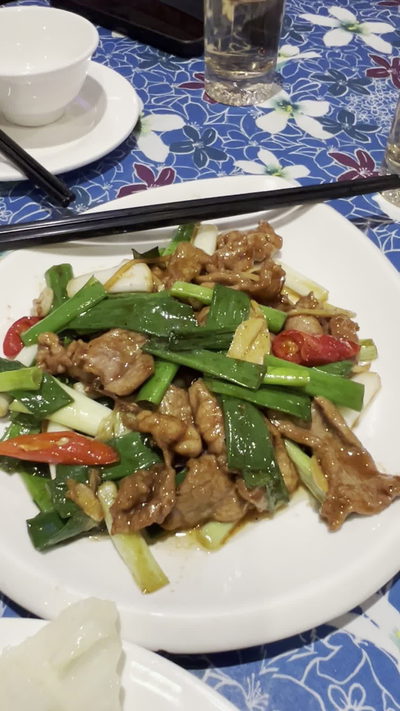
The video captures a close-up, static shot of a vibrant Chinese stir-fry dish featuring sliced beef, green onions, and red peppers, served on a blue floral tablecloth with black chopsticks resting beside it. The scene is framed with clean composition and steady focus, emphasizing the dish's visual appeal. At the beginning (0s–5s), a voice repeatedly says "再加两个" (meaning "Add two more") in a rhythmic, almost chant-like tone, suggesting a moment of ordering or preparing food, possibly in a restaurant setting. The lack of movement, ambient sound, or contextual cues limits the narrative depth, but the strong visual focus on a specific, appetizing meal creates a clear culinary experience. The video does not show a person, a restaurant interior, or any signage, so the location remains unidentified, but the dish itself is highly recognizable and replicable.
 1K+ Views100+ Likes
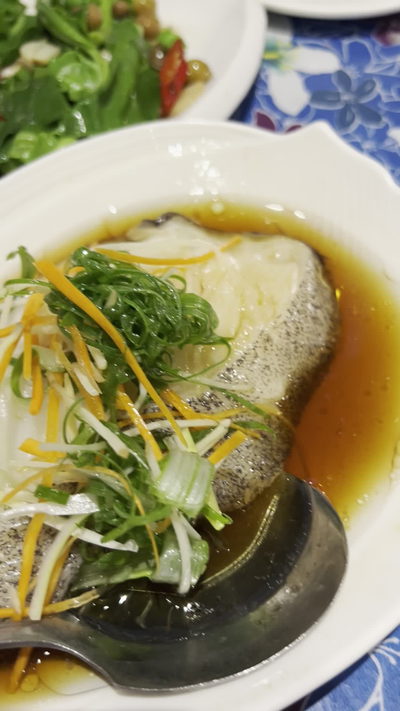
A close-up shot of a plate of fish dish with shredded carrots, green onions, and other garnishes, partially submerged in a brown sauce. The background shows another plate with a salad-like dish containing vegetables and possibly meat. The camera remains static throughout the 6-second clip, focusing solely on the food. At 3 seconds, a voice asks, '沒有加了嗎?' ('Has it been added yet?'), suggesting a moment of anticipation or confirmation during food preparation or serving. The scene lacks any visible signage, human presence, or contextual cues about the restaurant or location, making the setting ambiguous. The video is a static, unedited presentation of food, with no narrative or dynamic elements.
 1K+ Views100+ Likes
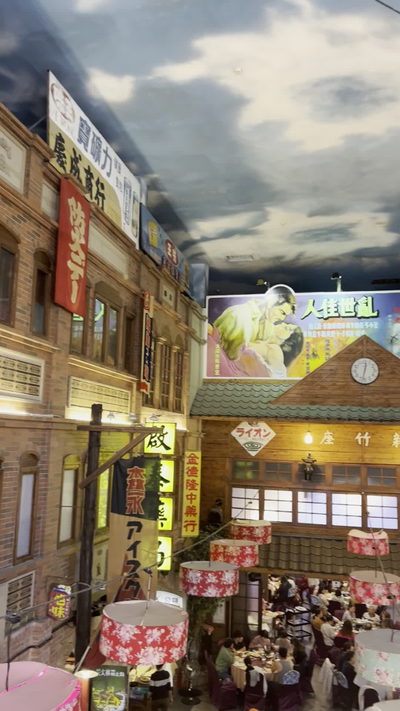
The video presents a highly detailed miniature model of a Japanese street scene, featuring intricately crafted buildings, signage, and a bustling restaurant area with seated patrons. The camera smoothly pans across the model, highlighting architectural details, vibrant storefronts, and the lively atmosphere of the dining space. The scene evokes a sense of authenticity and cultural immersion, suggesting a real-world location in Japan. Although the video begins with a single spoken word 'you' at 0:00–0:02, the visual content dominates, showing no further dialogue or audio cues. The model appears to be a diorama or artistic representation, possibly created for display or entertainment, with no visible human interaction beyond the static figures in the restaurant. The setting is clearly inspired by Japanese urban culture, with elements such as traditional signage, lanterns, and food-related storefronts. The video lacks a narrative arc or clear visitor perspective, but the level of detail and thematic coherence make it visually compelling and suggestive of a real dining destination.
1K+ Views100+ LikesThe video captures a close-up, static shot of a vibrant Chinese stir-fry dish featuring sliced beef, green onions, and red peppers, served on a blue floral tablecloth with black chopsticks resting beside it. The scene is framed with clean composition and steady focus, emphasizing the dish's visual appeal. At the beginning (0s–5s), a voice repeatedly says "再加两个" (meaning "Add two more") in a rhythmic, almost chant-like tone, suggesting a moment of ordering or preparing food, possibly in a restaurant setting. The lack of movement, ambient sound, or contextual cues limits the narrative depth, but the strong visual focus on a specific, appetizing meal creates a clear culinary experience. The video does not show a person, a restaurant interior, or any signage, so the location remains unidentified, but the dish itself is highly recognizable and replicable.
1K+ Views100+ LikesA close-up shot of a plate of fish dish with shredded carrots, green onions, and other garnishes, partially submerged in a brown sauce. The background shows another plate with a salad-like dish containing vegetables and possibly meat. The camera remains static throughout the 6-second clip, focusing solely on the food. At 3 seconds, a voice asks, '沒有加了嗎?' ('Has it been added yet?'), suggesting a moment of anticipation or confirmation during food preparation or serving. The scene lacks any visible signage, human presence, or contextual cues about the restaurant or location, making the setting ambiguous. The video is a static, unedited presentation of food, with no narrative or dynamic elements.
1K+ Views100+ LikesThe video presents a highly detailed miniature model of a Japanese street scene, featuring intricately crafted buildings, signage, and a bustling restaurant area with seated patrons. The camera smoothly pans across the model, highlighting architectural details, vibrant storefronts, and the lively atmosphere of the dining space. The scene evokes a sense of authenticity and cultural immersion, suggesting a real-world location in Japan. Although the video begins with a single spoken word 'you' at 0:00–0:02, the visual content dominates, showing no further dialogue or audio cues. The model appears to be a diorama or artistic representation, possibly created for display or entertainment, with no visible human interaction beyond the static figures in the restaurant. The setting is clearly inspired by Japanese urban culture, with elements such as traditional signage, lanterns, and food-related storefronts. The video lacks a narrative arc or clear visitor perspective, but the level of detail and thematic coherence make it visually compelling and suggestive of a real dining destination.

