
Michelangelo's Sistine Chapel: The Exhibition in Las Vegas, NV
 1K+ Views
 100+ Likes
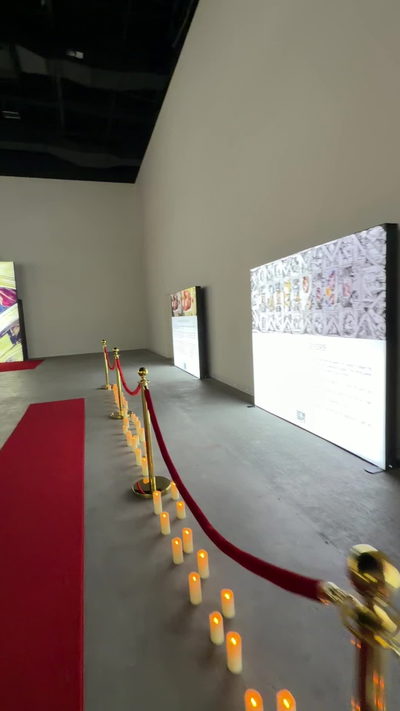
The video opens with a cinematic shot of three large digital screens displaying dynamic visual content, followed by a forward-moving camera that glides past a red carpet and a row of lit candles. The camera continues to advance, revealing a series of large screens arranged in a linear sequence, each displaying curated images related to art and culture. The composition suggests a curated exhibition space, possibly an immersive art gallery or cultural installation. The movement is smooth and deliberate, emphasizing the spatial layout and visual progression. The absence of spoken dialogue or on-screen text beyond the visuals implies a focus on atmosphere and aesthetic experience. The video concludes with a final view of the last screen in the sequence, leaving the viewer with a sense of arrival at the end of a visual journey.
 1K+ Views100+ Likes
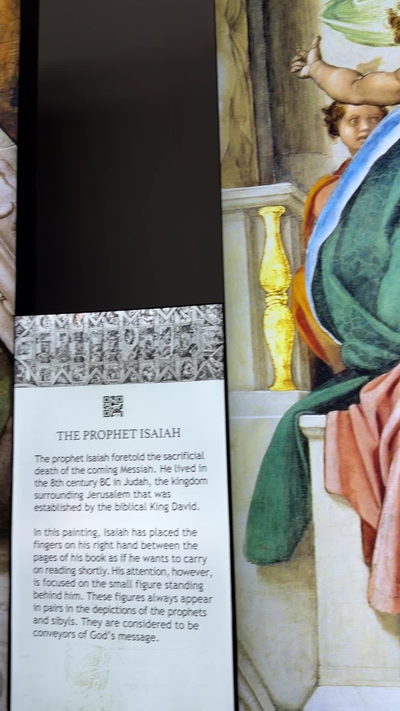
The video presents a sequence of still images from a historical painting, focusing on two distinct scenes. The first image features a seated figure in a green cloak and pink robe, accompanied by two cherubic figures, evoking a religious or spiritual theme. The second image shifts to a different scene depicting a woman and a child, with a man in the background, suggesting a narrative of familial or sacred significance. Each image is accompanied by a textual description: the first labeled 'The Prophet Isaiah,' and the second 'The Death of the Virgin.' The video is composed as a slideshow of these static images, with minimal transitions and no dynamic movement or audio. The overall presentation is educational and artistic, emphasizing the visual and narrative elements of the painting without any indication of a physical location, visitor interaction, or real-world experience that could be replicated.
 1K+ Views100+ Likes
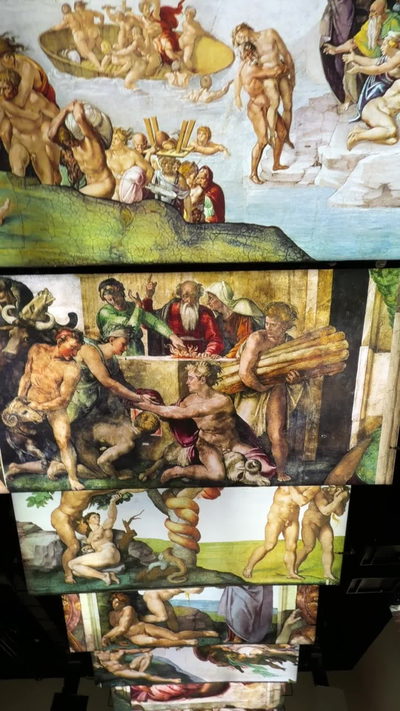
The video presents a visually rich exploration of Renaissance-era artworks, primarily featuring detailed scenes from the Sistine Chapel ceiling. The camera glides smoothly across expansive frescoes, highlighting intricate depictions of biblical narratives, human anatomy, and mythological figures. The composition emphasizes artistic mastery, with vibrant colors, dynamic poses, and complex spatial arrangements. A brief spoken acknowledgment, 'Thank you,' is heard at the beginning (0s–5s), suggesting a closing or introductory gesture, though no further dialogue is present. The absence of human visitors, contextual signage, or interactive elements means the viewer experiences the art passively, without a clear visitor perspective or actionable takeaway. The video is static in nature, resembling a high-quality slideshow of museum exhibits, with no editing transitions, narrative arc, or dynamic movement beyond the camera pan. Despite its aesthetic excellence, the content lacks a direct invitation to visit, book, or engage with the location in real life, and the experience is purely observational.
1K+ Views100+ LikesThe video opens with a cinematic shot of three large digital screens displaying dynamic visual content, followed by a forward-moving camera that glides past a red carpet and a row of lit candles. The camera continues to advance, revealing a series of large screens arranged in a linear sequence, each displaying curated images related to art and culture. The composition suggests a curated exhibition space, possibly an immersive art gallery or cultural installation. The movement is smooth and deliberate, emphasizing the spatial layout and visual progression. The absence of spoken dialogue or on-screen text beyond the visuals implies a focus on atmosphere and aesthetic experience. The video concludes with a final view of the last screen in the sequence, leaving the viewer with a sense of arrival at the end of a visual journey.
1K+ Views100+ LikesThe video presents a sequence of still images from a historical painting, focusing on two distinct scenes. The first image features a seated figure in a green cloak and pink robe, accompanied by two cherubic figures, evoking a religious or spiritual theme. The second image shifts to a different scene depicting a woman and a child, with a man in the background, suggesting a narrative of familial or sacred significance. Each image is accompanied by a textual description: the first labeled 'The Prophet Isaiah,' and the second 'The Death of the Virgin.' The video is composed as a slideshow of these static images, with minimal transitions and no dynamic movement or audio. The overall presentation is educational and artistic, emphasizing the visual and narrative elements of the painting without any indication of a physical location, visitor interaction, or real-world experience that could be replicated.
1K+ Views100+ LikesThe video presents a visually rich exploration of Renaissance-era artworks, primarily featuring detailed scenes from the Sistine Chapel ceiling. The camera glides smoothly across expansive frescoes, highlighting intricate depictions of biblical narratives, human anatomy, and mythological figures. The composition emphasizes artistic mastery, with vibrant colors, dynamic poses, and complex spatial arrangements. A brief spoken acknowledgment, 'Thank you,' is heard at the beginning (0s–5s), suggesting a closing or introductory gesture, though no further dialogue is present. The absence of human visitors, contextual signage, or interactive elements means the viewer experiences the art passively, without a clear visitor perspective or actionable takeaway. The video is static in nature, resembling a high-quality slideshow of museum exhibits, with no editing transitions, narrative arc, or dynamic movement beyond the camera pan. Despite its aesthetic excellence, the content lacks a direct invitation to visit, book, or engage with the location in real life, and the experience is purely observational.

Happening Now in Enterprise, NV
 1.6K Views356 Likes

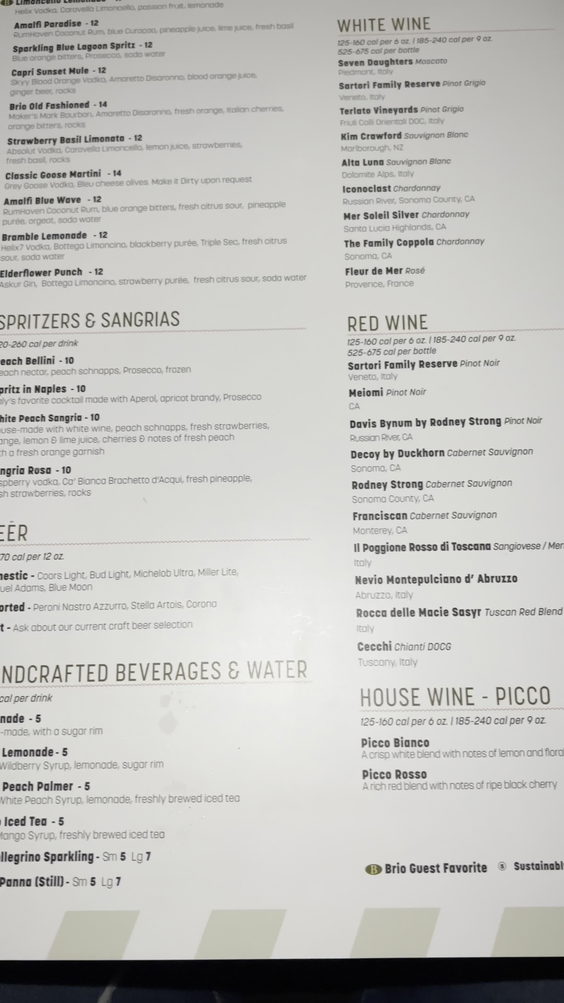
The video starts with an exterior shot of Brio Tuscan Grille at night, showcasing the patio area with tables, chairs, heaters, and umbrellas. It then transitions to the interior, highlighting the dining area with patrons seated at tables under hanging lights. The camera pans up to reveal paintings above arched doorways leading into another room. A menu is displayed, featuring various drink and food options. The video ends with shots of a slice of pizza and a plate of pasta being served.
 1K+ Views262 Likes
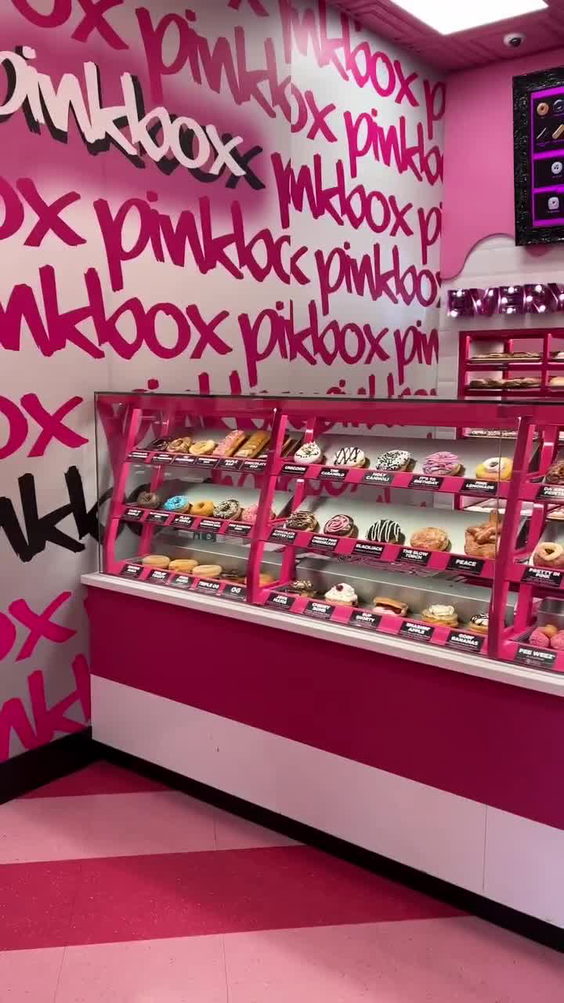
The video showcases the exterior and interior of a Pinkbox Doughnuts store located at the Plaza Casino in Las Vegas. It features vibrant pink decor, merchandise displays, and a variety of donuts, including themed ones like 'Poop' and 'Veggie'. The camera pans across the store, highlighting the playful atmosphere and the extensive selection of donuts available.
 3.9K Views706 Likes
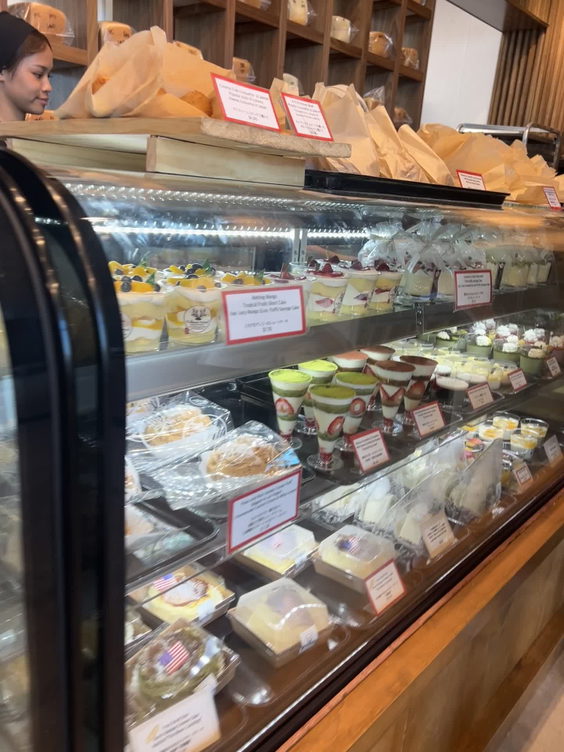
The video showcases a bakery display case filled with various pastries and desserts. The camera pans across the display, revealing different types of baked goods, including cakes, tarts, and other treats. A person wearing a black head covering is visible behind the counter, adding a human element to the scene.
 1.1K Views206 Likes
The video showcases various food items from Sharky's Modern Mexican Kitchen, including burgers, tacos, and a wrap. It features close-up shots of the food, a woman eating, and promotional materials.
