
Us in Atwima Nwabiagya South
 1K+ Views
 100+ Likes
 deleted_user_69cb123137809
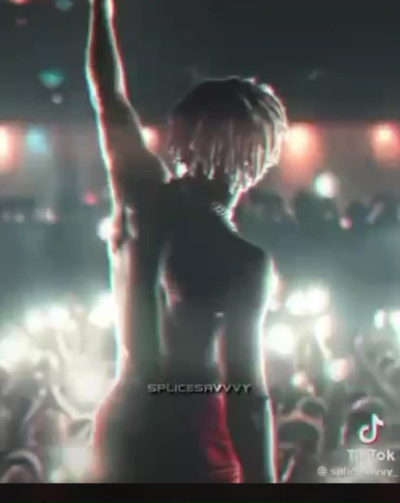
A man delivers a powerful, emotionally charged monologue on stage, reflecting on personal transformation and societal recognition. The video opens with a close-up of his face as he speaks: 'Nobody gave a fuck about how I felt. Now my opinion is respected. And every move I make is recorded and calculated.' The tone is intense and introspective, with a focus on identity, visibility, and the weight of being observed. The performance is shot in a dynamic, cinematic style with tight framing, subtle camera movement, and a dark, moody lighting setup that emphasizes emotional gravity. The audio is clear and well-balanced, with no background music, allowing the spoken word to dominate. The video is presented in landscape orientation, typical of broadcast or YouTube content, and lacks any visible signage, venue details, or context about the event or location. The performance appears to be a solo act, possibly from a spoken word or live performance series, but no specific event, venue, or opportunity for audience participation is indicated. The clip ends abruptly after 11 seconds, with no closing shot or additional context.
 1K+ Views100+ Likesdeleted_user_69cb123137809
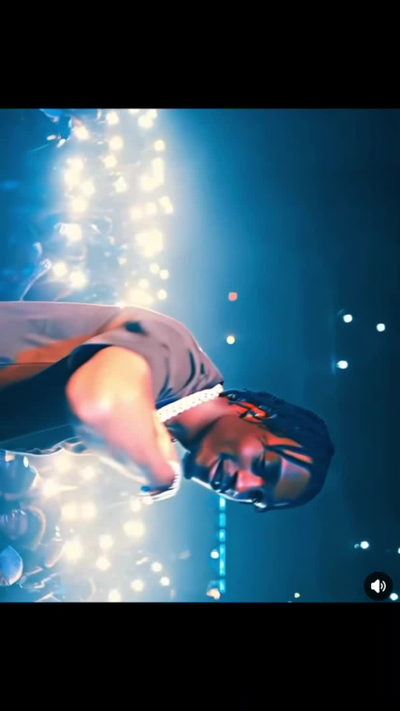
The video is a brief, stylized sequence featuring a man in a series of distinct outfits and poses, filmed in a series of quick cuts. The first shot shows him in a white suit with a black shirt and a silver chain, gazing directly at the camera. This is followed by a scene where he lies down beneath a stained glass ceiling, wearing a brown jacket. Next, he appears in a blue shirt with a gold chain, lying on a surface with a chain-link fence in the background. Subsequent shots show him in a black shirt with a silver chain, eyes closed, and then in sunglasses with a blue shirt. The final frame features him in a red outfit, also lying down. The audio consists of a repeated phrase: 'Making the horizon now, I wanna know, that I wanna know, I wanna know'—spoken with a rhythmic, introspective cadence. The video lacks a clear narrative, identifiable location, or context for real-world action, focusing instead on visual aesthetics, costume changes, and mood. The overall tone is artistic and personal, evoking a sense of introspection or self-expression rather than showcasing a discoverable experience.
 1K+ Views100+ Likesdeleted_user_69cb123137809
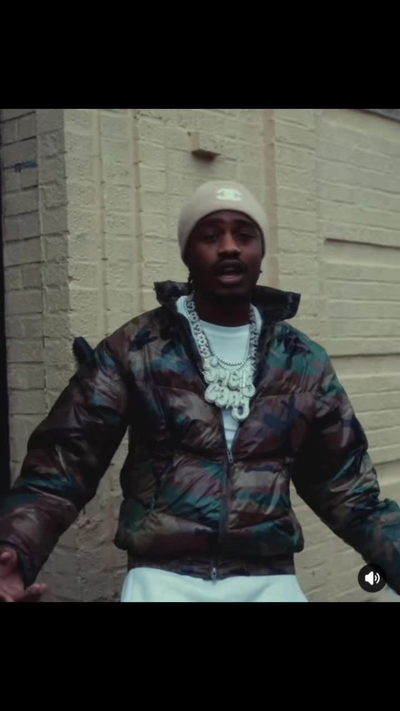
A man stands on a sidewalk in front of a light yellow brick building, wearing a beige beanie, camouflage puffer jacket, and white pants. He speaks directly to the camera with expressive hand gestures, delivering a raw, emotionally charged monologue about love, betrayal, and personal struggle. The dialogue includes lines about being blinded by love, feeling hurt by a partner's infidelity, and the emotional toll of substance use and financial desperation. The camera remains fixed and static throughout, with no other people, activities, or identifiable landmarks in the background. The setting appears to be a generic urban street with no signage or context indicating a specific venue or location. The video lacks any visual cues suggesting a visitable place, bookable experience, or real-world activity that viewers could replicate.
1K+ Views100+ Likesdeleted_user_69cb123137809A man delivers a powerful, emotionally charged monologue on stage, reflecting on personal transformation and societal recognition. The video opens with a close-up of his face as he speaks: 'Nobody gave a fuck about how I felt. Now my opinion is respected. And every move I make is recorded and calculated.' The tone is intense and introspective, with a focus on identity, visibility, and the weight of being observed. The performance is shot in a dynamic, cinematic style with tight framing, subtle camera movement, and a dark, moody lighting setup that emphasizes emotional gravity. The audio is clear and well-balanced, with no background music, allowing the spoken word to dominate. The video is presented in landscape orientation, typical of broadcast or YouTube content, and lacks any visible signage, venue details, or context about the event or location. The performance appears to be a solo act, possibly from a spoken word or live performance series, but no specific event, venue, or opportunity for audience participation is indicated. The clip ends abruptly after 11 seconds, with no closing shot or additional context.
1K+ Views100+ Likesdeleted_user_69cb123137809The video is a brief, stylized sequence featuring a man in a series of distinct outfits and poses, filmed in a series of quick cuts. The first shot shows him in a white suit with a black shirt and a silver chain, gazing directly at the camera. This is followed by a scene where he lies down beneath a stained glass ceiling, wearing a brown jacket. Next, he appears in a blue shirt with a gold chain, lying on a surface with a chain-link fence in the background. Subsequent shots show him in a black shirt with a silver chain, eyes closed, and then in sunglasses with a blue shirt. The final frame features him in a red outfit, also lying down. The audio consists of a repeated phrase: 'Making the horizon now, I wanna know, that I wanna know, I wanna know'—spoken with a rhythmic, introspective cadence. The video lacks a clear narrative, identifiable location, or context for real-world action, focusing instead on visual aesthetics, costume changes, and mood. The overall tone is artistic and personal, evoking a sense of introspection or self-expression rather than showcasing a discoverable experience.
1K+ Views100+ Likesdeleted_user_69cb123137809A man stands on a sidewalk in front of a light yellow brick building, wearing a beige beanie, camouflage puffer jacket, and white pants. He speaks directly to the camera with expressive hand gestures, delivering a raw, emotionally charged monologue about love, betrayal, and personal struggle. The dialogue includes lines about being blinded by love, feeling hurt by a partner's infidelity, and the emotional toll of substance use and financial desperation. The camera remains fixed and static throughout, with no other people, activities, or identifiable landmarks in the background. The setting appears to be a generic urban street with no signage or context indicating a specific venue or location. The video lacks any visual cues suggesting a visitable place, bookable experience, or real-world activity that viewers could replicate.

