
PanPan Noodle Bar in Toronto
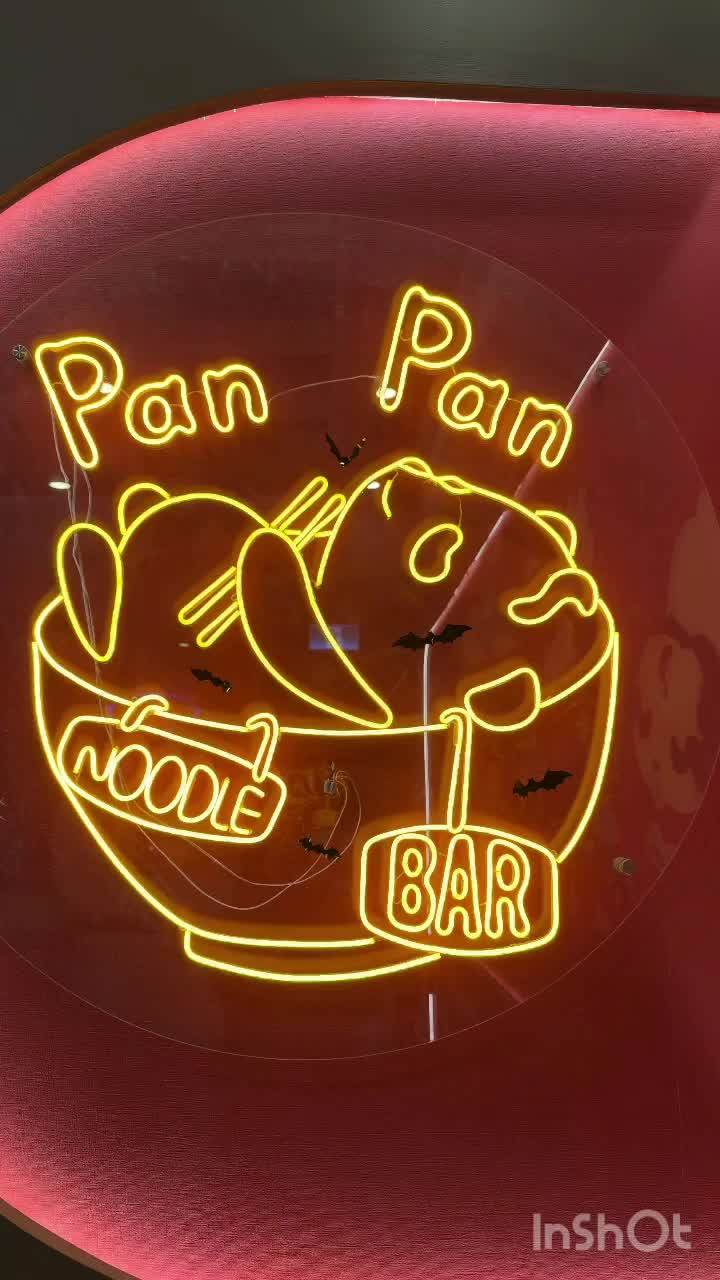

The video opens with a close-up of a vibrant neon sign reading 'Pan Pan Noodle Bar' in a circular design, featuring warm yellow and orange hues with stylized illustrations of a noodle bowl and chopsticks. The camera smoothly pans right to reveal a red wall adorned with playful, hand-drawn pandas in various poses—some seated at tables, others standing—each depicted enjoying noodles. The wall also displays the establishment's name in a bold, stylized font. The pan continues to a dark gray wall with a minimalist white line drawing of a traditional Chinese pagoda surrounded by clouds. Finally, the camera reveals a circular logo centered with 'Wuhan China,' encircled by a clock face motif. The entire sequence is accompanied by a single spoken line: 'Thank you.' The video is a stylistic, visually driven showcase of a unique noodle bar's interior branding, emphasizing cultural identity and local charm through artistic design and thematic consistency.
 50+ Views
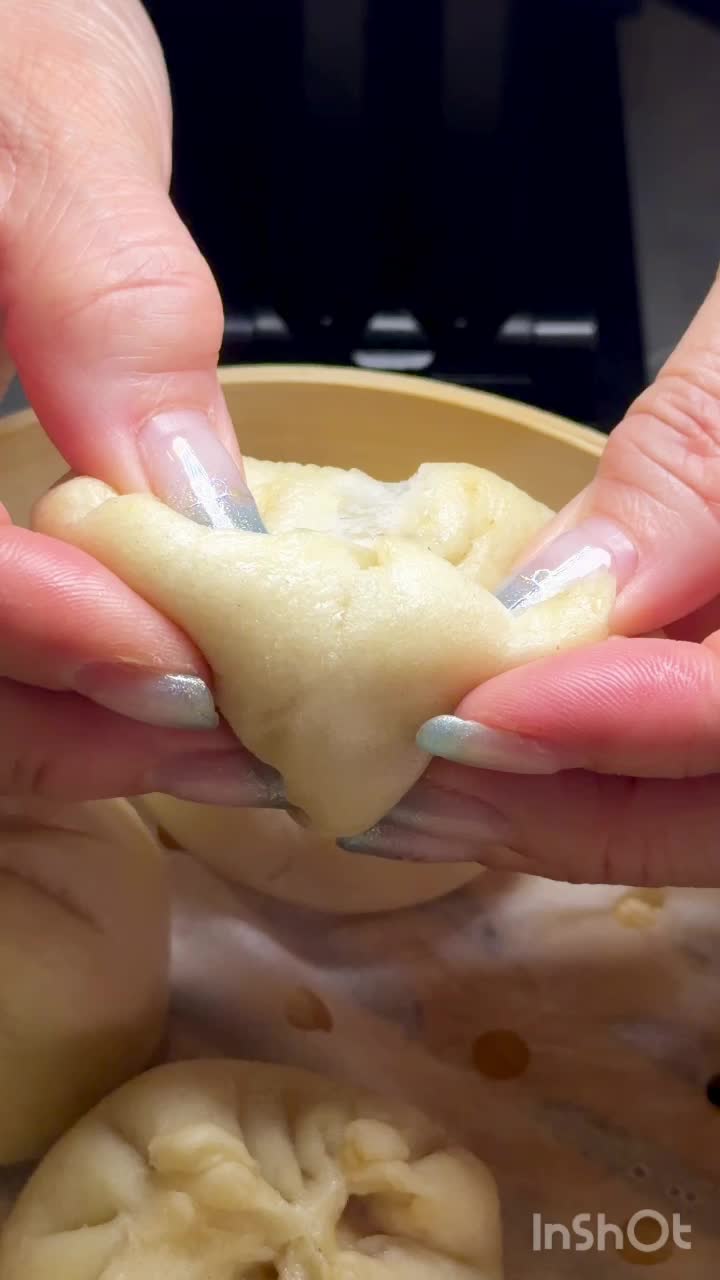
The video captures a close-up, visually engaging sequence of food preparation and sensory appeal, beginning with a pair of hands—adorned with sparkly nail polish—pulling apart a steaming bun to reveal a rich, savory meat filling. The focus then shifts to a golden-brown, crispy potato ball, which is gently squeezed, causing it to crack open and release a molten, gooey cheese center. The entire sequence emphasizes texture, heat, and visual satisfaction, with tight framing and smooth transitions that highlight the food's irresistible appeal. The only spoken word is a single, brief 'you' at the very start, likely an accidental or contextual utterance with no narrative significance. The video lacks any identifying signage, venue context, or human presence beyond the hands, and the setting appears to be a neutral, possibly studio-like environment. There is no indication of a specific restaurant, location, or booking opportunity, nor any clear narrative or context beyond the act of preparing and showcasing the food items.
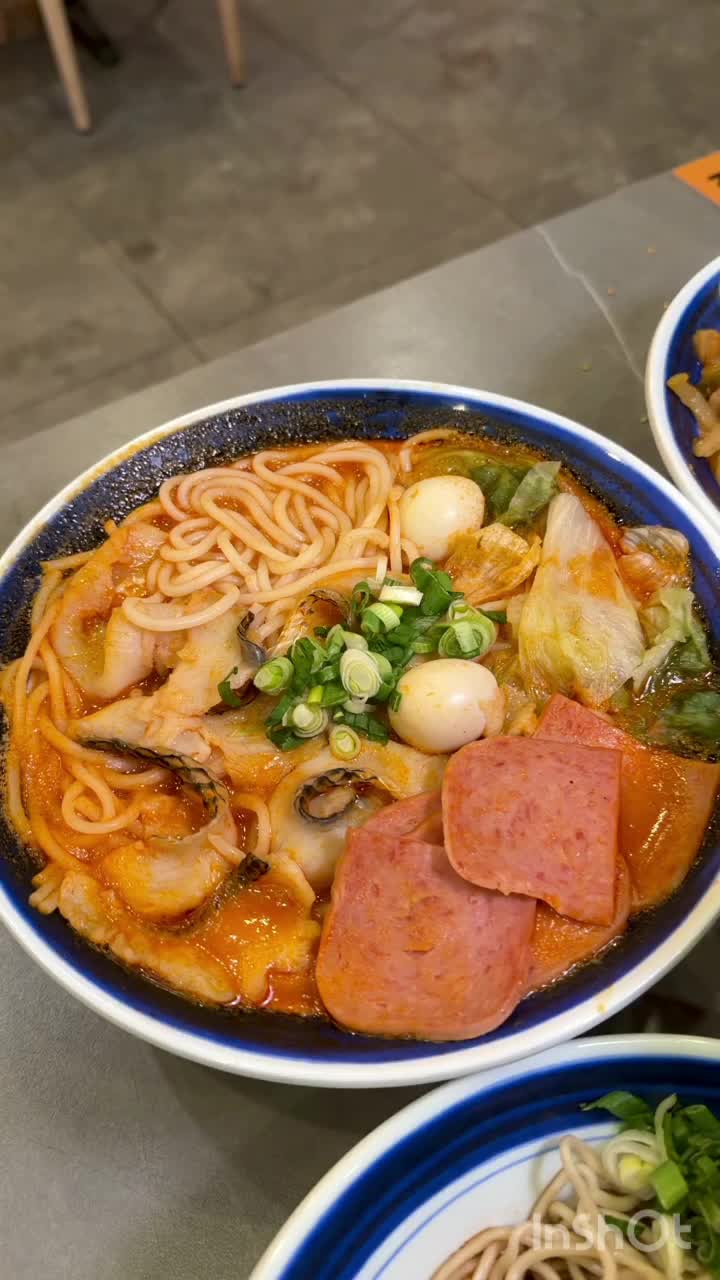
The video opens with a close-up shot of a steaming bowl of spicy ramen, capturing the rich textures and vibrant colors of its ingredients—noodles, sliced meat, green onions, and a perfectly boiled egg. A hand enters the frame, using chopsticks to lift a portion of the dish, bringing it close to the camera to emphasize the visual appeal. The focus then shifts to a spoon scooping up a hearty portion, with visible steam rising, enhancing the sensory experience. The entire sequence is shot in a tight, dynamic framing style, highlighting the dish's details and the tactile process of eating. The only spoken word is 'you' at the very beginning, likely a voiceover cue or accidental audio, but it does not contribute to narrative context. The video lacks any signage, venue identification, or human interaction beyond the hand, and there is no indication of a specific restaurant, location, or cultural setting. The visual style is highly focused on food presentation, resembling professional food photography or short-form social media content, but without broader context or storytelling.
The video opens with a close-up of a vibrant neon sign reading 'Pan Pan Noodle Bar' in a circular design, featuring warm yellow and orange hues with stylized illustrations of a noodle bowl and chopsticks. The camera smoothly pans right to reveal a red wall adorned with playful, hand-drawn pandas in various poses—some seated at tables, others standing—each depicted enjoying noodles. The wall also displays the establishment's name in a bold, stylized font. The pan continues to a dark gray wall with a minimalist white line drawing of a traditional Chinese pagoda surrounded by clouds. Finally, the camera reveals a circular logo centered with 'Wuhan China,' encircled by a clock face motif. The entire sequence is accompanied by a single spoken line: 'Thank you.' The video is a stylistic, visually driven showcase of a unique noodle bar's interior branding, emphasizing cultural identity and local charm through artistic design and thematic consistency.
50+ ViewsThe video captures a close-up, visually engaging sequence of food preparation and sensory appeal, beginning with a pair of hands—adorned with sparkly nail polish—pulling apart a steaming bun to reveal a rich, savory meat filling. The focus then shifts to a golden-brown, crispy potato ball, which is gently squeezed, causing it to crack open and release a molten, gooey cheese center. The entire sequence emphasizes texture, heat, and visual satisfaction, with tight framing and smooth transitions that highlight the food's irresistible appeal. The only spoken word is a single, brief 'you' at the very start, likely an accidental or contextual utterance with no narrative significance. The video lacks any identifying signage, venue context, or human presence beyond the hands, and the setting appears to be a neutral, possibly studio-like environment. There is no indication of a specific restaurant, location, or booking opportunity, nor any clear narrative or context beyond the act of preparing and showcasing the food items.
The video opens with a close-up shot of a steaming bowl of spicy ramen, capturing the rich textures and vibrant colors of its ingredients—noodles, sliced meat, green onions, and a perfectly boiled egg. A hand enters the frame, using chopsticks to lift a portion of the dish, bringing it close to the camera to emphasize the visual appeal. The focus then shifts to a spoon scooping up a hearty portion, with visible steam rising, enhancing the sensory experience. The entire sequence is shot in a tight, dynamic framing style, highlighting the dish's details and the tactile process of eating. The only spoken word is 'you' at the very beginning, likely a voiceover cue or accidental audio, but it does not contribute to narrative context. The video lacks any signage, venue identification, or human interaction beyond the hand, and there is no indication of a specific restaurant, location, or cultural setting. The visual style is highly focused on food presentation, resembling professional food photography or short-form social media content, but without broader context or storytelling.

