
Limo in Cusco
 50+ Views
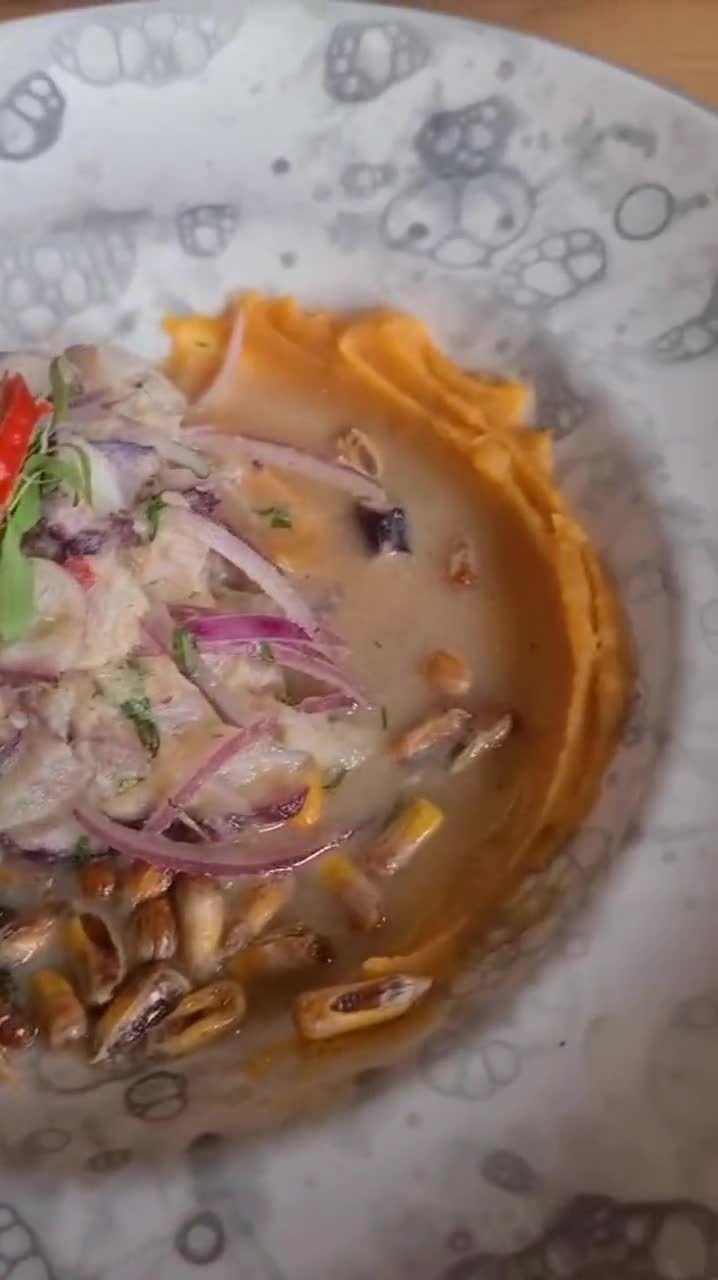
The video presents a close-up, static shot of a vibrant plate of ceviche, a traditional Peruvian dish, displayed on a white plate with a decorative pattern. The dish features fresh, thinly sliced raw fish marinated in citrus juice, garnished with red onions, fresh cilantro, and kernels of yellow corn. A small dollop of orange puree is placed beside the main component, adding a pop of color and visual contrast. The camera remains fixed throughout the entire duration, emphasizing the dish's texture, color, and presentation without any movement or additional context. There is no audio or dialogue present, and no human presence or venue signage is visible, suggesting a purely visual focus on the food itself.
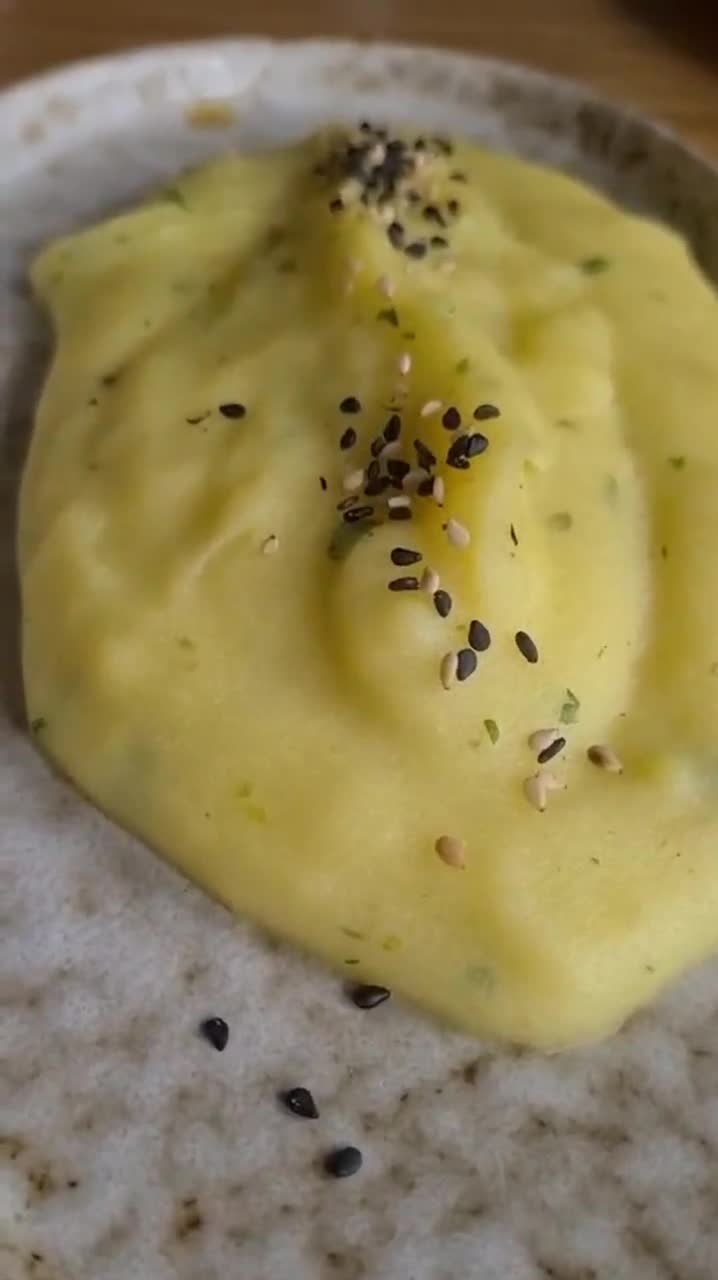
The video presents a close-up, visually focused sequence of a plated dish featuring a main protein—likely fish or meat—garnished with green onions and sesame seeds, drizzled with a sauce, and served on a metal plate placed atop a stone container with a metal grate. The camera then shifts to a side dish of mashed potatoes, similarly garnished with green onions and sesame seeds, served on a ceramic plate. The shot lingers on the potatoes before panning back to the main dish, emphasizing the food's presentation and texture. The entire sequence is shot in portrait orientation, with deliberate framing that highlights the culinary details, though no human presence, ambient noise, or contextual cues (such as signage, restaurant interiors, or customer interaction) are visible. The video lacks audio and does not feature any narrative or action beyond the static display of the food.
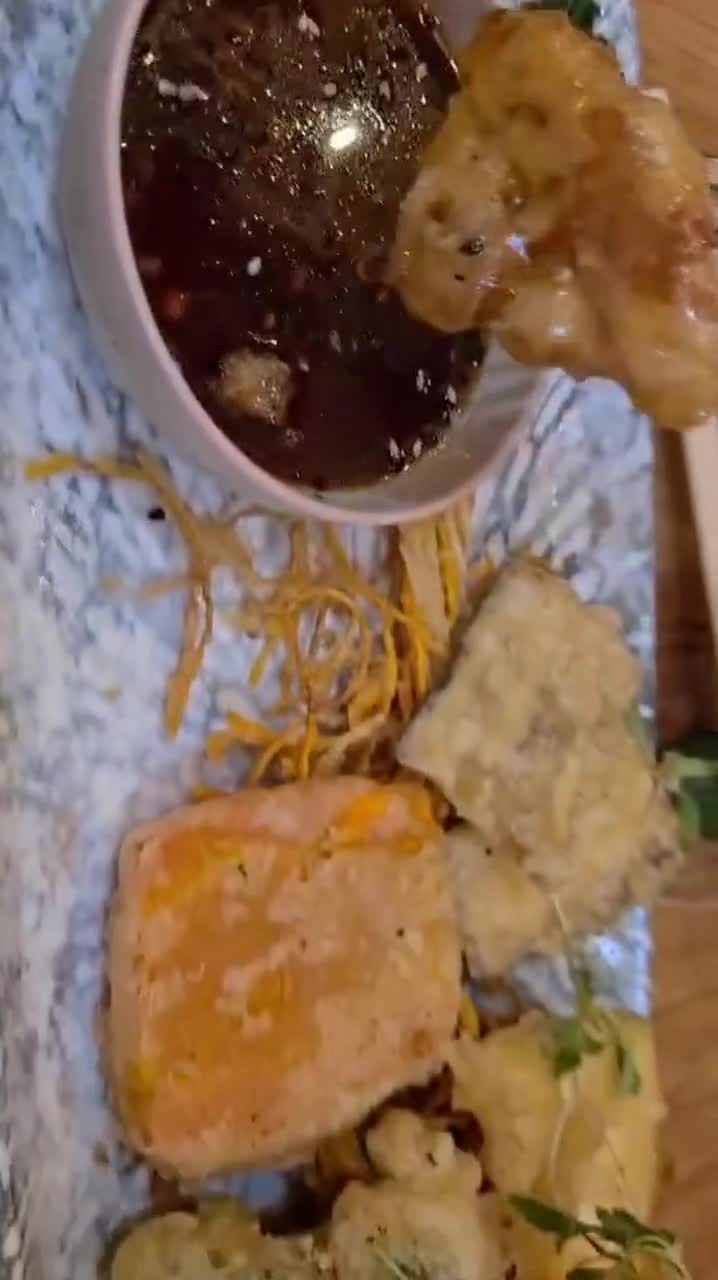
The video presents a close-up, visually rich depiction of a plate of tempura featuring shrimp, vegetables, and tofu, served with a dipping sauce. The camera smoothly pans across the dish, emphasizing the golden-brown, crispy texture of the batter and the vibrant colors of the ingredients. A single piece of tempura is shown being dipped into the sauce, highlighting the sensory appeal of the dish. The focus remains entirely on the food, with no visible people, signage, or contextual environment, suggesting a stylized food photography or preparation clip. The presentation is clean, well-lit, and aesthetically driven, aiming to evoke appetite and interest in the dish.
50+ ViewsThe video presents a close-up, static shot of a vibrant plate of ceviche, a traditional Peruvian dish, displayed on a white plate with a decorative pattern. The dish features fresh, thinly sliced raw fish marinated in citrus juice, garnished with red onions, fresh cilantro, and kernels of yellow corn. A small dollop of orange puree is placed beside the main component, adding a pop of color and visual contrast. The camera remains fixed throughout the entire duration, emphasizing the dish's texture, color, and presentation without any movement or additional context. There is no audio or dialogue present, and no human presence or venue signage is visible, suggesting a purely visual focus on the food itself.
The video presents a close-up, visually focused sequence of a plated dish featuring a main protein—likely fish or meat—garnished with green onions and sesame seeds, drizzled with a sauce, and served on a metal plate placed atop a stone container with a metal grate. The camera then shifts to a side dish of mashed potatoes, similarly garnished with green onions and sesame seeds, served on a ceramic plate. The shot lingers on the potatoes before panning back to the main dish, emphasizing the food's presentation and texture. The entire sequence is shot in portrait orientation, with deliberate framing that highlights the culinary details, though no human presence, ambient noise, or contextual cues (such as signage, restaurant interiors, or customer interaction) are visible. The video lacks audio and does not feature any narrative or action beyond the static display of the food.
The video presents a close-up, visually rich depiction of a plate of tempura featuring shrimp, vegetables, and tofu, served with a dipping sauce. The camera smoothly pans across the dish, emphasizing the golden-brown, crispy texture of the batter and the vibrant colors of the ingredients. A single piece of tempura is shown being dipped into the sauce, highlighting the sensory appeal of the dish. The focus remains entirely on the food, with no visible people, signage, or contextual environment, suggesting a stylized food photography or preparation clip. The presentation is clean, well-lit, and aesthetically driven, aiming to evoke appetite and interest in the dish.

